At half past seven on an October morning the limestone inside Split's Old Town is still damp, the light comes in sideways under the bell tower, and the loudest things in earshot are a shutter rolling up and a café owner hosing down his patch of Roman pavement. By eleven the same fifty metres will be shoulder to shoulder with briefing groups. Those two unhurried hours at either end of the day are the whole argument for visiting Diocletian's Palace (the Old Town precinct itself, straight off the harbour) in October rather than August.
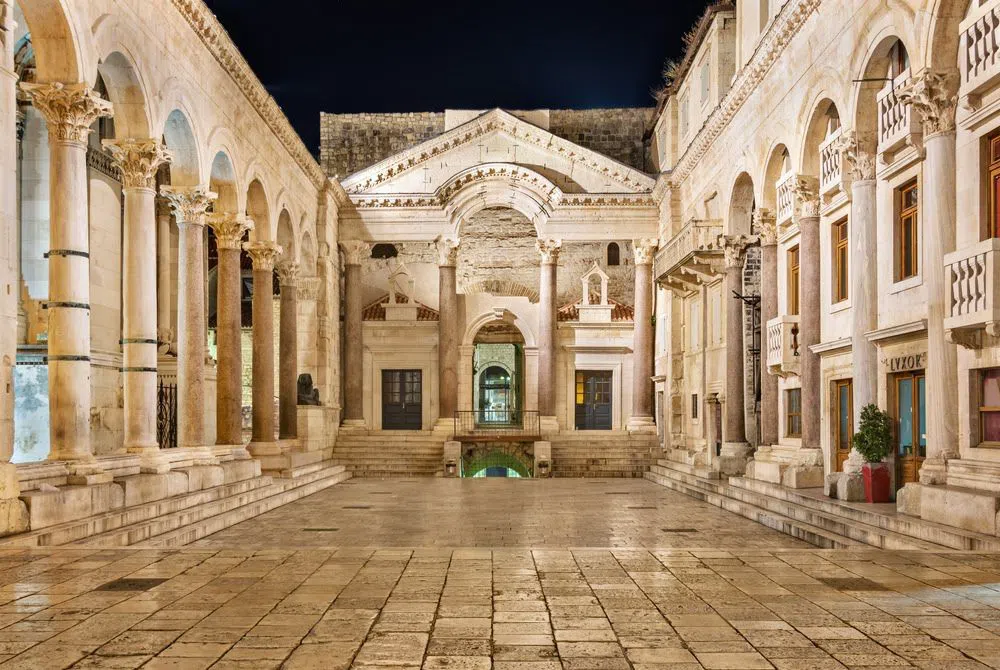
A palace that never stopped being a town
Visitors arrive looking for the ticket desk. There isn't one, and there never was. The palace has no gate, no door and no admission charge: it is a public, inhabited city centre, open 24 hours, with flats above the Roman arches and wheelie bins parked in lanes that were once imperial corridors. That is what makes it unusual rather than merely old. It is the only Roman imperial palace still working as a town centre, and the thing most people assume costs money costs nothing.
Diocletian built it as a fortified retirement compound at the turn of the fourth century. When the coastal population moved inside the walls a few hundred years later, they didn't clear the place out; they built a medieval town into the shell, with churches inside the temples, houses in the guard ranges and trade in the cellars. Nothing was swept away, so the ground plan still reads as a palace while the street life reads as an ordinary Dalmatian quarter, and the precinct as a whole carries UNESCO listing.
What you pay for is strictly the interiors: the cathedral, the bell tower, the baptistery, the exhibition halls beneath the palace, and the museums. Walking the precinct, standing in the main courtyard and hearing unaccompanied singing under a Roman dome all cost nothing. Budget €20-30 a head if you want everything behind a door, and nothing at all if you don't.
The free half is the better half
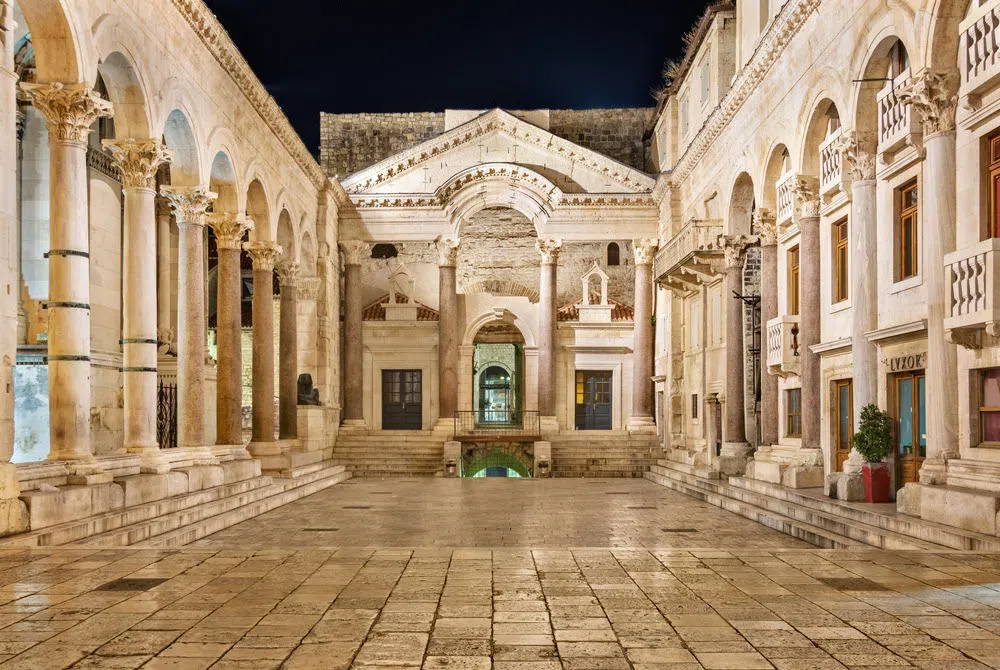
The Peristyle (Peristil, the colonnaded courtyard at the dead centre of the Old Town) is the room everything else hangs off, a narrow rectangle of columns with the cathedral steps along one side and sky for a ceiling. It is also the standard assembly and briefing point for walking groups, so at midday in October it fills to a standstill; stand to the sides so the cathedral door queue can get past. Before 09:00 you will share it with delivery trolleys and a street sweeper. After 19:00 you get it with the floodlights on and the step cushions out. Those are the two versions worth photographing.
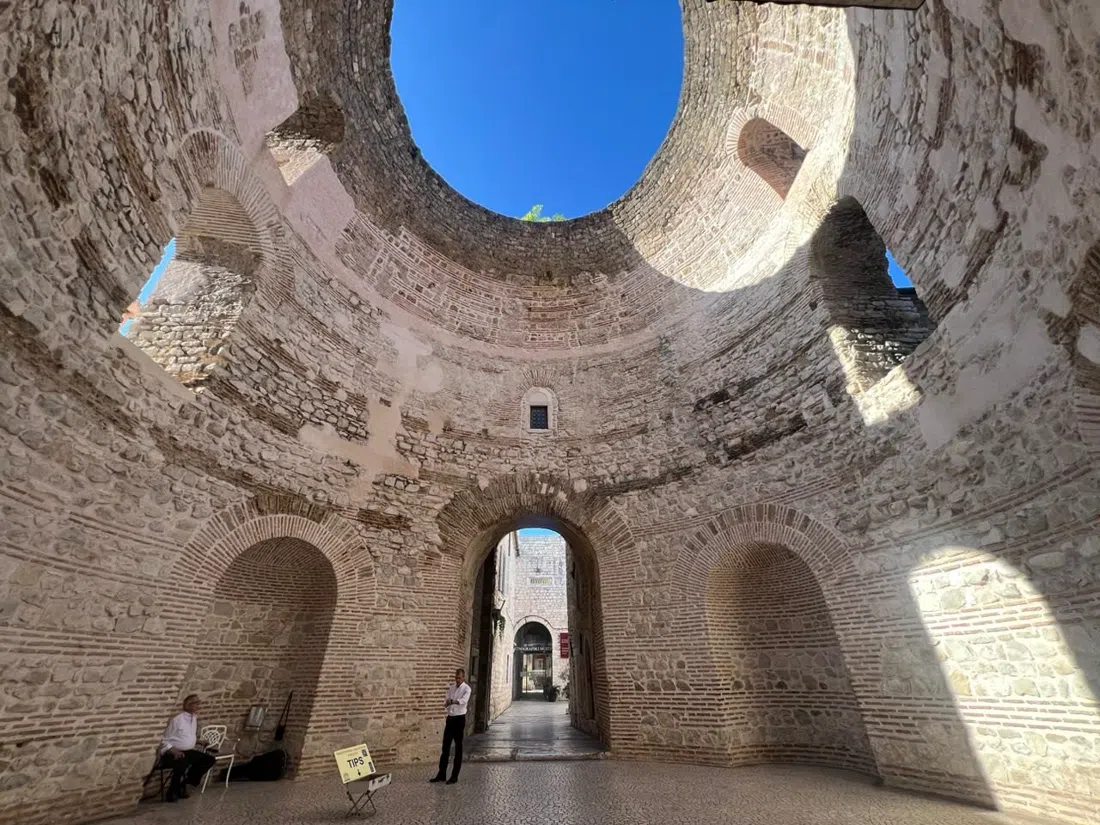
Leave the Peristyle down the short flight at its southern end and you are in the Vestibule (Vestibul, the domed rotunda between courtyard and seafront). The dome is open to the sky and the acoustics are extraordinary, which is why klapa, the Dalmatian close-harmony a cappella form listed by UNESCO as intangible heritage, gets sung here. Singers turn up unscheduled, most often late morning and early evening; there is no ticket, and €1-2 in the hat is the courtesy. The space is small and reverberant, so it fills the moment a group walks in, and guides tend to bring theirs through immediately after the Peristyle briefing.
Carry on down and you reach the Substructures of Diocletian's Palace (Podrumi, the cellar halls running the width of the seaward range). They come in two halves. The through-passage from the seafront up into the palace is free and lined with souvenir stalls, which is all most visitors ever see of it. The ticketed exhibition halls either side cost roughly €6-10 and are the better part: wide, cool, barrel-vaulted rooms that make the scale of the building obvious. Run by the Split City Museum, they open daily 08:30-20:00 and, unusually, do not close on Mondays; last admission is 30 minutes before closing.
Five minutes north up the main cross-street brings you out at the Golden Gate and the Grgur Ninski statue (Porta Aurea, immediately outside the north wall). This was the emperor's own ceremonial entrance, and the open green in front of it is the one place in the Old Town where a large group can gather without blocking anybody, which is exactly why coach parties and walking tours form up here mid-morning. Rubbing the statue's bronze toe is the sort of harmless ritual it costs nothing to join.

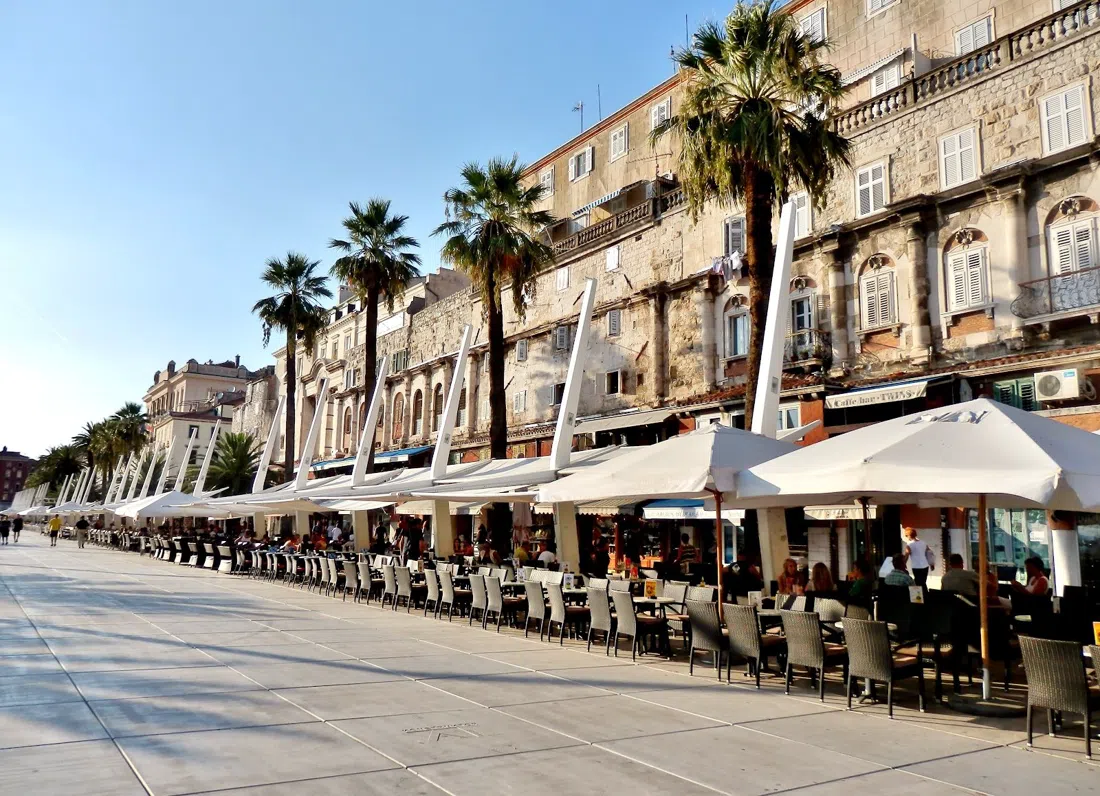
Along the palace's south face runs the Riva (Obala hrvatskog narodnog preporoda, the seafront promenade), the widest public space in the centre and the usual start and finish line for guided walks. One caveat for an October trip: the city's phased reconstruction of the Riva (central section in 2025, the western extension budgeted at around €8m for 2026, the eastern stretch in 2027) starts up again once the summer season ends, so expect hoardings and rerouted walking in places. Promenade cafés charge a premium for the view, and the view is what you are paying for, not the coffee.
What sits behind a door, and what it costs
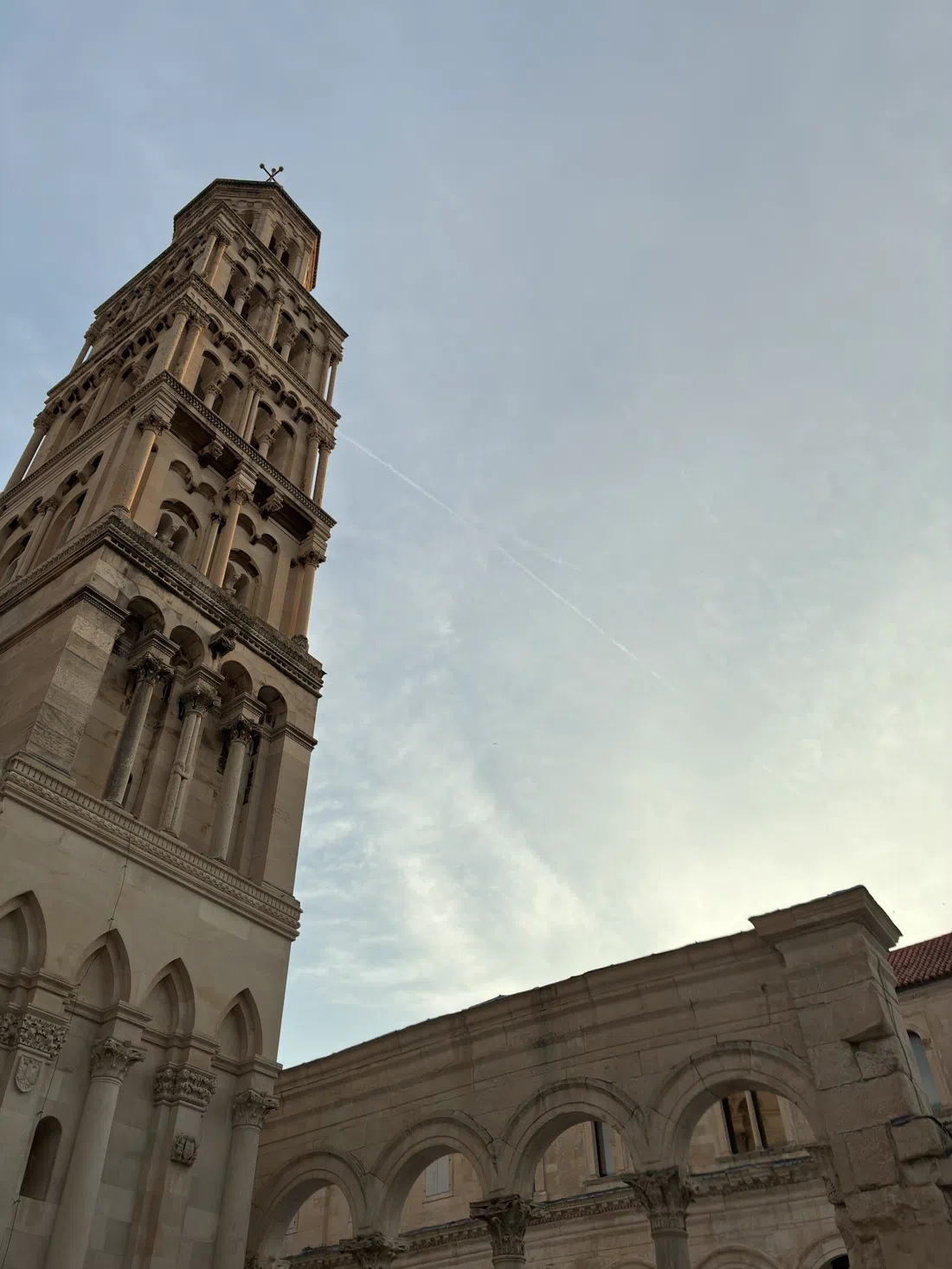
The Cathedral of St Domnius and Bell Tower (on the Peristyle) is the one paid interior nobody should skip. The octagonal core was built as Diocletian's mausoleum and became the cathedral of the town that grew around it, so you are standing inside a dead emperor's tomb being used as a church. Tickets are €7 for the cathedral and €7 for the tower, with a combined ticket around €10-12 from the window opposite the cathedral door. October hours run roughly 08:00-20:00 Monday to Saturday, with Sunday afternoons only, approximately 12:30-17:30; the ticket office shuts 30 minutes earlier.
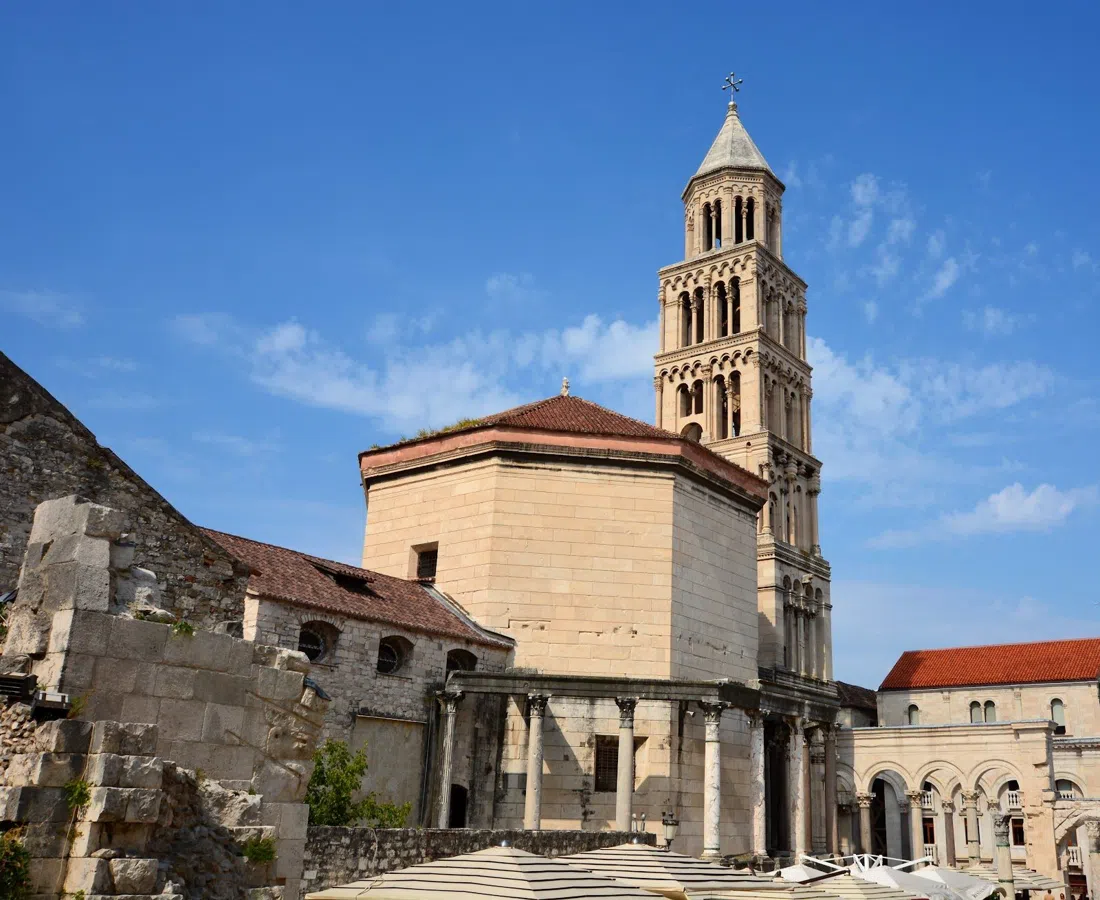
The tower is a genuine squeeze and the main queue of the day. The stair is single-file with two-way traffic, so large groups get split and staggered by their guides and everyone else waits. Go at opening or in the last hour and you will walk straight up. Go at noon and you will spend longer on the steps than at the top. Anyone uneasy about heights, narrow stone treads or open views through the belfry should buy the cathedral ticket alone and spend the other €7 on lunch.
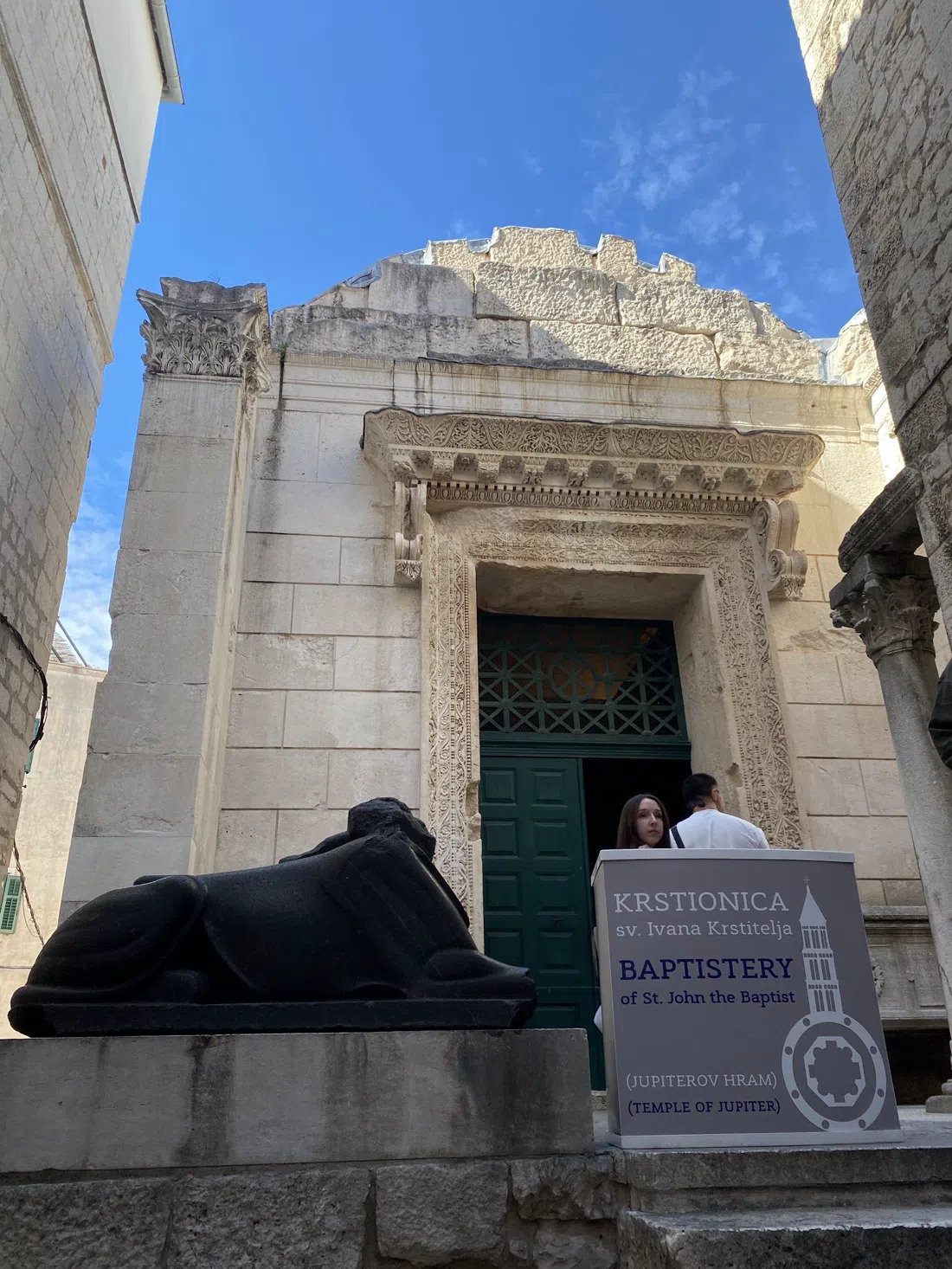
Two minutes west of the Peristyle, down an alley most visitors walk straight past, is the Temple of Jupiter (the Baptistery of St John, off the Peristyle's western side). It costs about €3 at the door, sold at the cathedral ticket window and bundled into the combined tickets, and it is the best-preserved small Roman interior in the palace, with a barrel-vaulted stone ceiling worth standing still under. The room holds only a handful of people at once, so groups queue in the alley and rotate through in batches. For the price, nothing else in Split comes close.
Three rooms for a wet October afternoon
October in Split is mild but not dry, and rain here tends to arrive in a hard few hours rather than a grey week. Three indoor options sit inside a five-minute walk of each other.
Split City Museum (Grand Papalić Palace, in the lanes north-east of the Peristyle) is the one that actually explains how a Roman palace turned into a medieval town, which is useful before or after you have walked it. Entry is roughly €3.50-5, Tuesday to Sunday 09:00-20:00, closed Mondays and public holidays, last admission 30 minutes before closing. Those long hours make it a sound fallback once the churches have shut.
Gallery of Fine Arts (Galerija umjetnina, just north of the Golden Gate) is the roomiest indoor space nearby and takes modest groups comfortably. €5 for adults, €3 for students, pensioners and seniors, free for under-7s and art students. It opens Tuesday to Friday 10:00-18:00 but only 10:00-14:00 at weekends, and the weekend half-day catches people out constantly. Closed Mondays and state holidays.
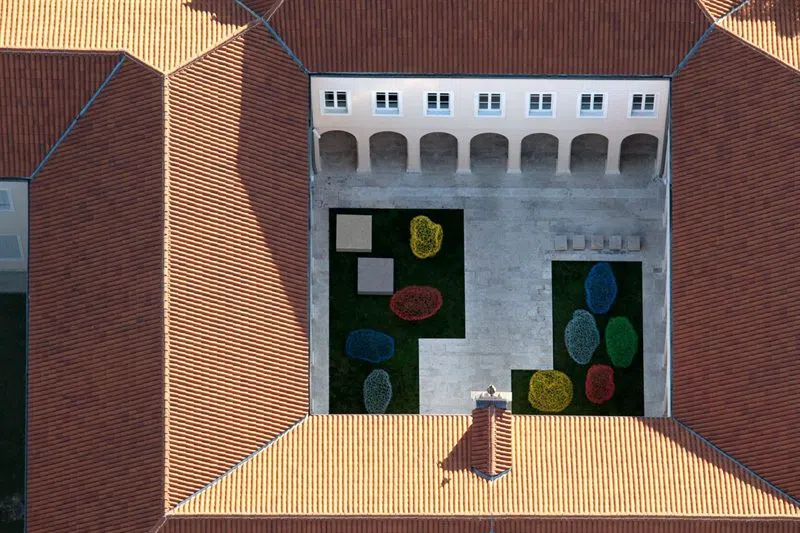
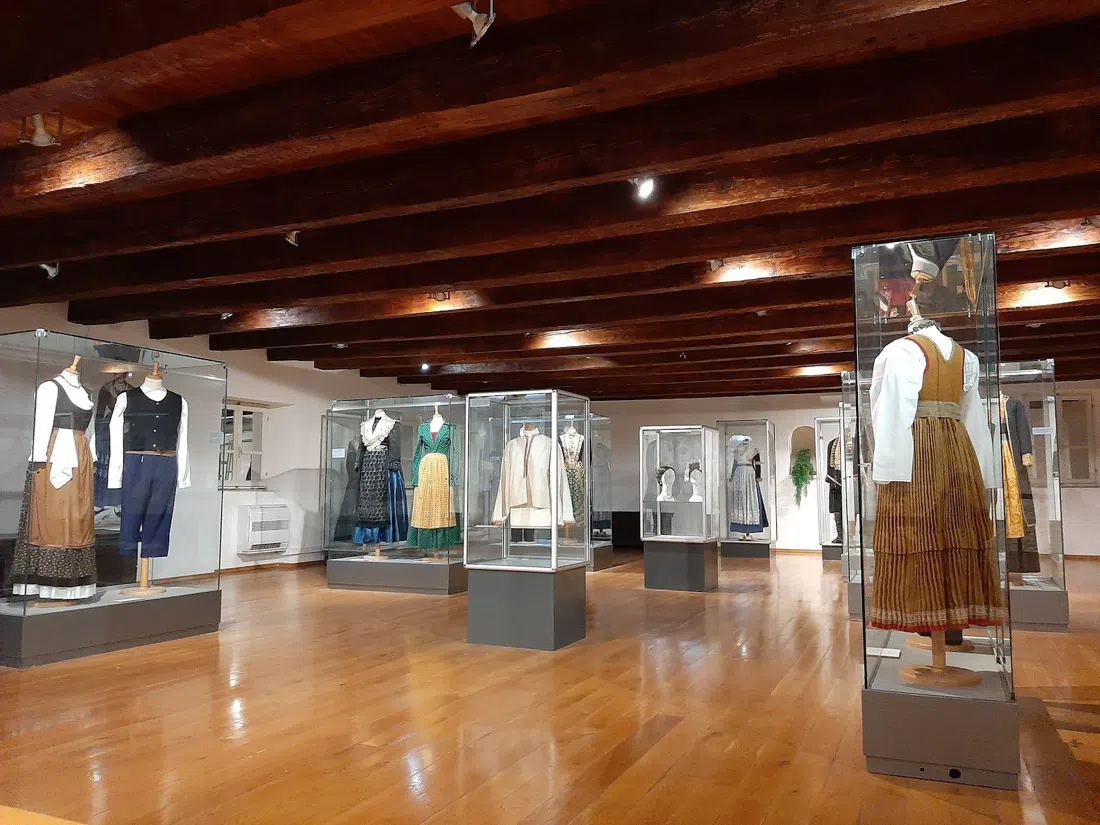
Ethnographic Museum Split (off the Peristyle, with the Vestibule roof terrace) is the one that gets missed. A low single-digit euro ticket includes the roof terrace above the Vestibule, the cheapest good rooftop view in the centre, and almost nobody realises it is behind a museum door. The building is a converted palace with narrow stairs and the terrace is compact, so it suits couples and pairs more than parties; phone ahead for anything over about a dozen people. September and October hours are roughly Monday to Friday 09:00-17:00 and Saturday 10:00-14:00, so it closes earlier than the cathedral. Do it before the late-afternoon light goes, not after.
Coffee on a Roman floor
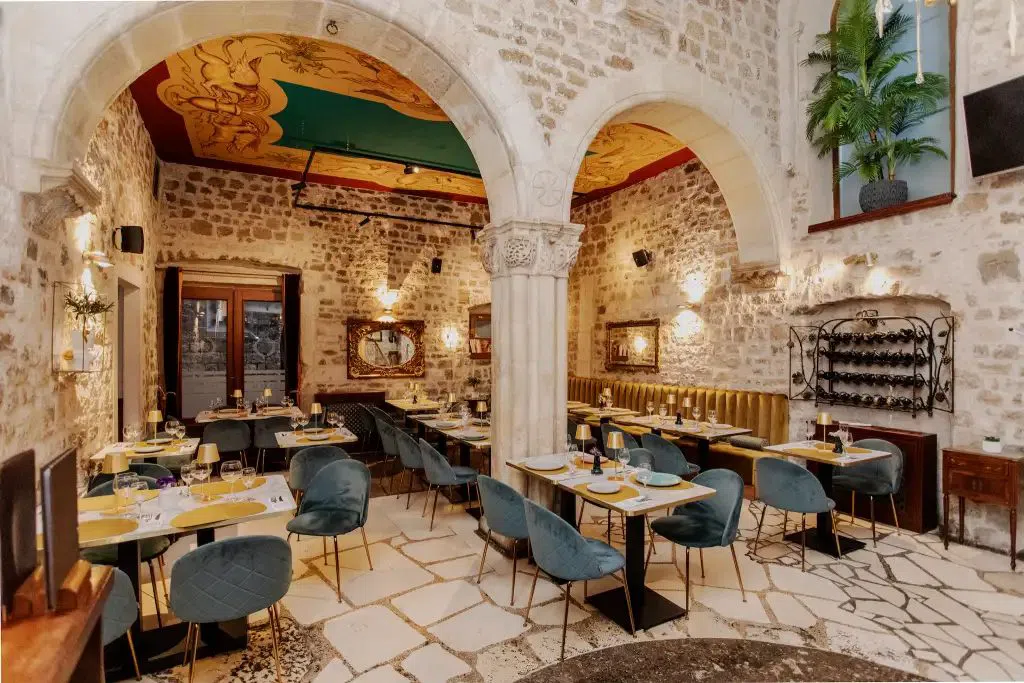
Lvxor Café & Restaurant (on the Peristyle) is the terrace with a monument for a floor, and the cushions laid along the cathedral steps are the most photographed sit-down in the city. Coffee is a few euro; cocktails and food are priced for the address. The step seating absorbs groups far better than the indoor rooms. Live music plays nightly from 20:00 until 31 October, after which it moves indoors to Fridays and Saturdays only, so if you want the courtyard with music in it, the last days of October are your window.
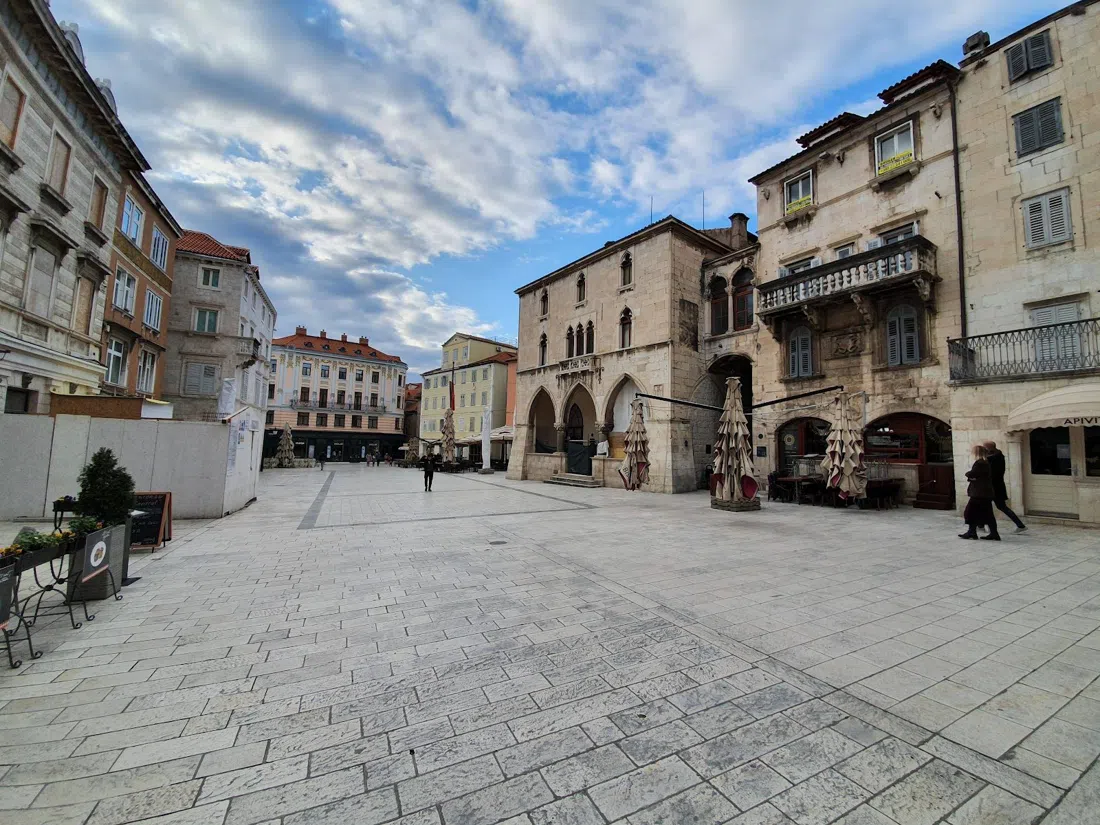
For coffee without the monument surcharge, walk out of the palace's western wall into Pjaca — People's Square (Narodni trg, immediately west of the Old Town core). This is a square people use, not a sight to tick off: the arcaded town hall on one side, and a clock face that runs to 24 hours instead of 12, which is the detail to point at. Sitting in the square costs nothing and the terraces will take a group if you split across tables. It is the natural stop between the palace and the markets.
Where the Old Town stops and Split carries on
Two minutes further on is Peškarija (the fish market, just west of Pjaca), which trades roughly 06:00-13:00 and therefore has to be a morning item. It is a working market, not an exhibit: walk through, stay out of the sellers' aisles, and don't photograph people's faces without asking. The sulphurous springs beside it keep the flies off the fish, which tells you more than any amount of charming-market prose.
West again, Varoš and Matejuška (the old fishermen's quarter and its harbour corner) are the honest answer to where people who live here actually sit. The Varoš lanes are narrow and residential, so small groups only and voices down; these are front doors. The Matejuška breakwater takes any number and is where the city watches the sun go down with a bottle from a shop instead of a bill from a terrace.
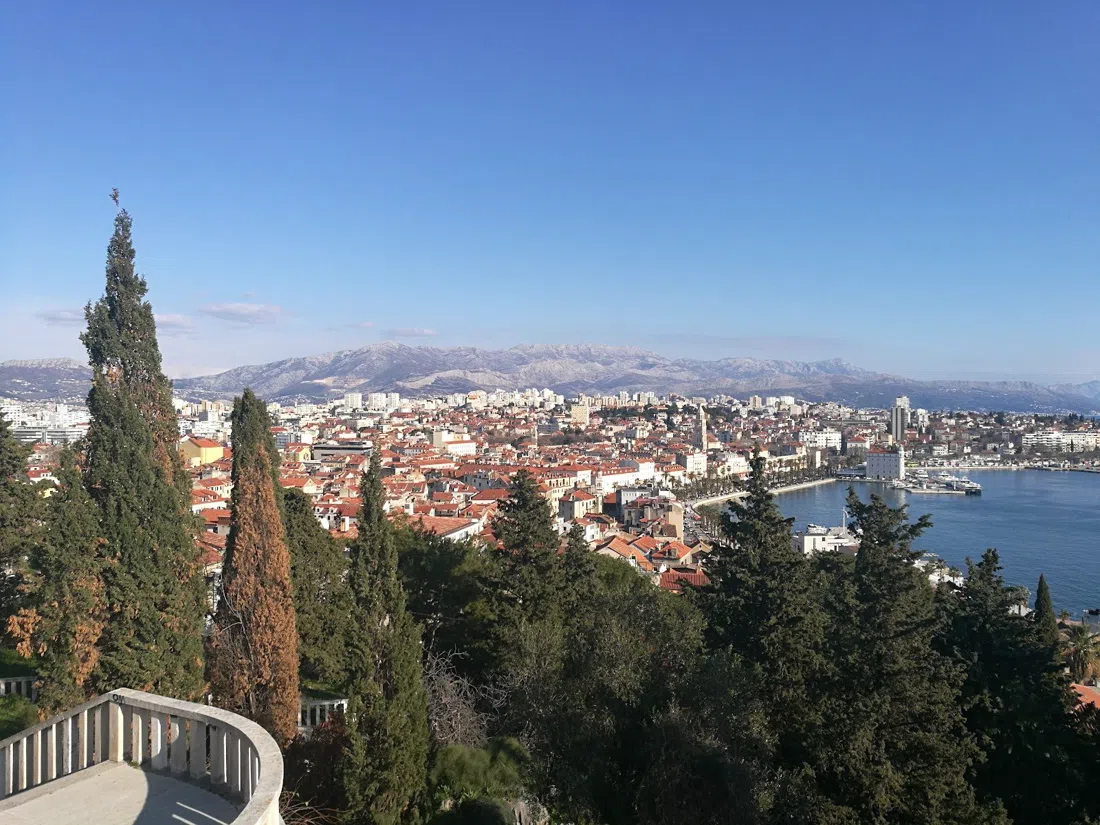
Varoš also sits at the foot of the Marjan stairs, which chains neatly into the climb to Prva vidilica na Marjanu (Caffe Bar Vidilica, at the top of the steps via Senjska). Allow 10-20 minutes up from the seafront; the stairs, not the terrace, are the limiting factor for anyone with bad knees or a pushchair. The panorama over the palace roofs and the islands is the definitive Split view, and it is free if you don't order, though drinks at €3-5 are hardly a punishment. A severe 2025 storm brought down many trees higher on Marjan and restoration work continued through 2026: the stairs, the road and the paved promenades are open, but the hillside above still looks thinned.
Best time to go in October 2026
The Old Town has no opening hours, so the planning problem is other people and shutting doors, in that order.
Before 09:00 is the prize. Start at the fish market by 08:00, walk the seafront, come up through the free cellar passage, and be in the Peristyle while it is still being hosed down. Buy the combined cathedral and tower ticket at 08:00 opening and climb before the first groups form at the Golden Gate mid-morning. By 10:30 the courtyard is a briefing area and the tower stair is a two-way queue.
After 19:00 is the other prize, and the better one for atmosphere: warm stone, floodlights, step cushions, and through 31 October live music on the Peristyle. Late morning and early evening are also when klapa singers are most likely to be in the Vestibule, though nobody schedules them.
Mind the weekly pattern. Sunday is the awkward day, with the cathedral open afternoons only, roughly 12:30-17:30. Monday closes the City Museum and the Gallery of Fine Arts, but the palace cellars stay open, which makes a wet Monday a cellars-and-cathedral day. Saturdays cut the Gallery to 14:00 and the Ethnographic Museum to 14:00 too. The market is always a morning. Build the day around those four facts and nothing else needs booking.
Who it suits, and whether to take a guide
The precinct suits almost everyone, with caveats that are physical rather than financial: the paving is polished limestone and slick in rain, the tower stair is single-file, the Vestibule terrace and museum stairs are narrow, and the Varoš lanes and Marjan steps are a real climb. Couples and pairs can walk in anywhere. Groups should split, since the Golden Gate park, the cellars and the seafront take numbers easily while the baptistery, the Ethnographic Museum and the Varoš lanes genuinely do not.
You can do all of this alone and miss very little; the free part is free and the ticket window is obvious. What a guide buys is the layering (which wall is Roman, which is medieval infill, which Venetian), and that is hard to see unaided. Small-group walks of the Old Town and palace start from around 29 USD per person, and the most-booked one holds a 5.0 out of 5 rating from 1,309 reviews, which is unusual at that price. A private walk costs several times more and buys pace and questions, not better information. If you take one, take the earliest departure of the day and do your own second lap in the evening.
Worth it, emphatically, and better value than most people expect because the headline attraction has no ticket. Spend €3 on the baptistery, €10-12 on the cathedral and tower, a few euro on the museum roof terrace, and you have seen the best of it for the price of one mediocre dinner.
Practical notes for an October trip
The airport is about half an hour west of the centre by shuttle bus, which drops at the harbour end of town; the ferry terminal and main bus station sit together a five-minute walk east of the palace. Inside the walls there are no cars and no point in a taxi: everything in this article is within fifteen minutes on foot, and the Marjan climb is the only real effort.
Croatia uses the euro and cards work almost everywhere, museums included, but carry coins. Keep €1-2 for the klapa singers and small notes for the fish market, and remember that cash is simply faster at the cathedral ticket window when there is a queue behind you.
What a day costs: free precinct, €10-12 cathedral and tower combined, about €3 baptistery, €6-10 for the cellar exhibition, €3.50-5 City Museum, €5 Gallery of Fine Arts, low single-digit euro for the Ethnographic Museum and its terrace. Coffee is a few euro off-square and noticeably more on the Peristyle or the seafront. A thorough day inside the walls lands around €30-40 a head including drinks.
October is the month to take central Old Town rooms seriously. In summer the lanes are loud until 03:00 and the stone holds the heat, but by now the terraces thin out and the quiet returns. Rooms inside the walls are small, stairs are steep, and almost none have lifts; an Old Town hostel bed or a downtown guesthouse a few streets west in Varoš or behind Pjaca will be cheaper, quieter and still five minutes from the Peristyle. Compare what is actually available for your dates with Split hotel search, and for the beaches, the islands and what else fills a week here, read the wider Split guide.
Give the palace two visits, not one. An hour before breakfast and an hour after dark in the same precinct are two different cities, and October is the month that costs you nothing but getting up.