Split doesn't perform its food for visitors — it gets on with the business of eating well, the way it has for centuries, one market crate and one grilled fish at a time. This is a trail built around a single day: buy what the Adriatic and the Dalmatian hinterland deliver at dawn, and by evening you'll find it again, cooked simply and without apology, on a konoba table a few streets away. Follow it loosely rather than to the minute and it holds up whether you're travelling as a couple or trying to feed a group of six without a reservation disaster — for more on where to base yourself for it, see the Split guide.
A Pazar Morning
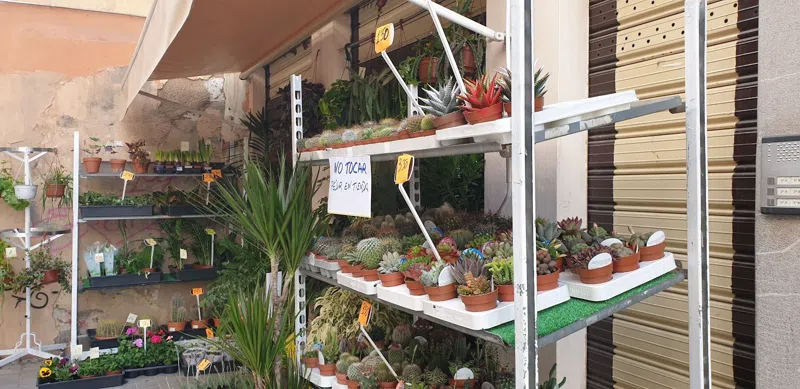
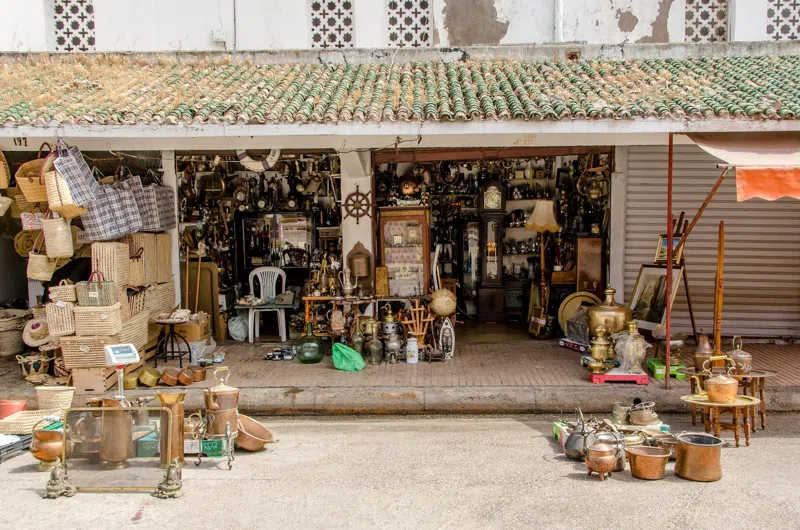
Everything here starts at Pazar (Split Green Market), spread along the eastern flank of Diocletian's Palace. There's nothing to book and no group is too big — it's open browsing, stall to stall, and the only real rule is timing: arrive between 7 and 9am, before the restaurant buyers have worked through the best crates of the day. This is the trail's true starting gun. Look for the market women selling soparnik, the flat Dalmatian pastry of chard, onion and olive oil, still warm from a portable oven — a slice costs a few euros and it sells out by mid-morning, so eat it standing up, not saved for later.
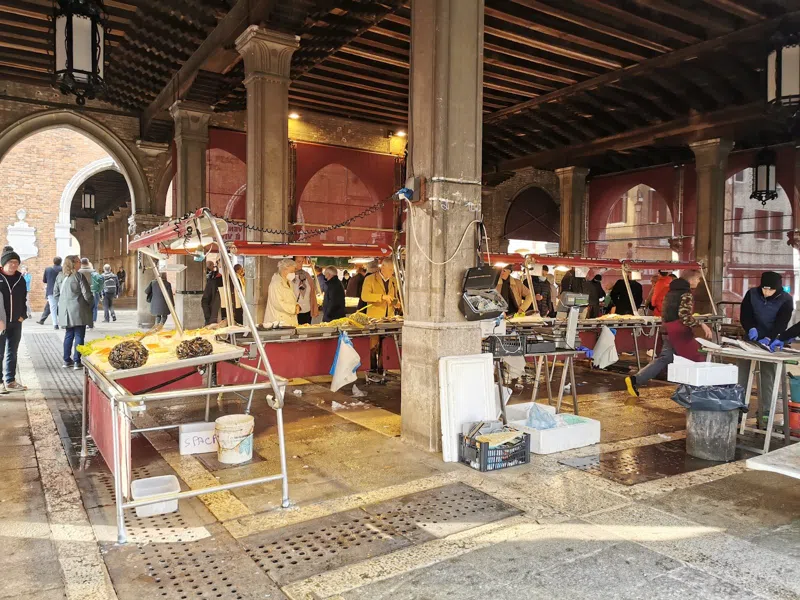
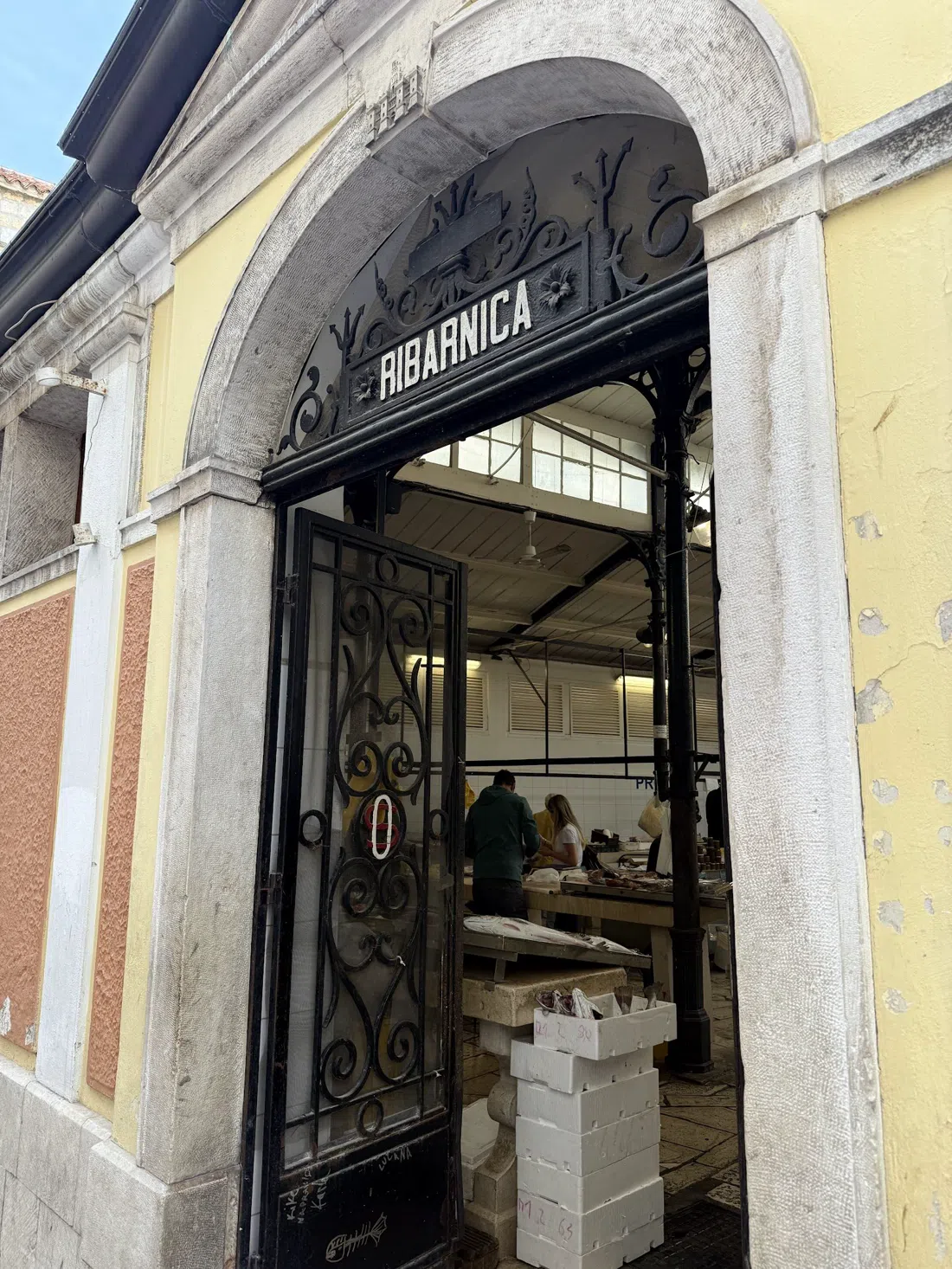
A few minutes' walk brings you to Ribarnica (Peškarija), the covered fish market under the arcades near the Riva. It's free to walk through and works for any group size, no reservation needed — this is the second beat of the morning route, and the point of it isn't necessarily to buy anything but to see the actual catch: John Dory laid out on ice, cuttlefish still faintly blue-black, mussels by the kilo. Everything you eat at dinner tonight passed through a stall like this one first.
Lunch: The Working City's Tables
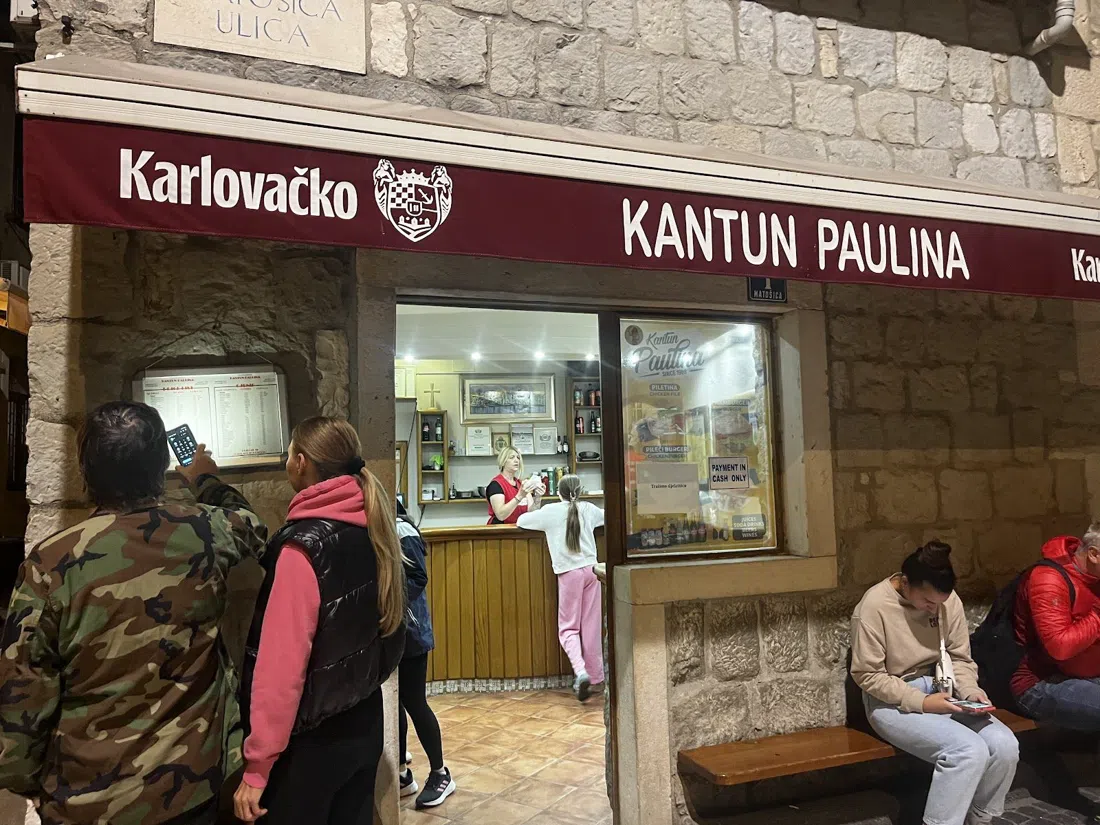
By midday, split into two kinds of lunch depending on your mood and your group size. Kantun Paulina, a street-food ćevapi counter a short walk from the market that's been serving the same thing since 1966, is the fast, cheap, no-nonsense option — counter service, a portion of ćevapi in flatbread for €4-7, and it absorbs groups without blinking because nobody's sitting down for long. It's the working-class local lunch counterpoint to the tourist-menu restaurants a street over, and it's worth eating here specifically to taste what Split eats when it isn't performing for anyone.
If you want a sit-down lunch that's still built entirely off the morning market, go to Villa Spiza, tucked into the old town and run by the daughter of one of Croatia's best-known chefs. There's no booking and the seating is genuinely tiny, so groups of more than four should be at the door right at noon opening or expect to wait outside. The menu isn't written until the market and fish stalls have been shopped that morning, which means what's on the blackboard changes daily — expect something like braised octopus or stuffed peppers, €10-18 a plate. It's closed Sundays, so don't build a Sunday itinerary around it.
A third option, better suited to couples or pairs than large groups, is Trattoria Bajamont, known locally as Below the Clock for its position near the old town's clock tower. It's a small room without formal booking outside peak dinner hours, and the fish on the plate — mains €14-24 — was walked over from Ribarnica that same morning. It closes Sundays and shuts entirely through January, so it's a spring-through-autumn stop, not a year-round one.
The Bridge: Market-to-Table and Olive Oil
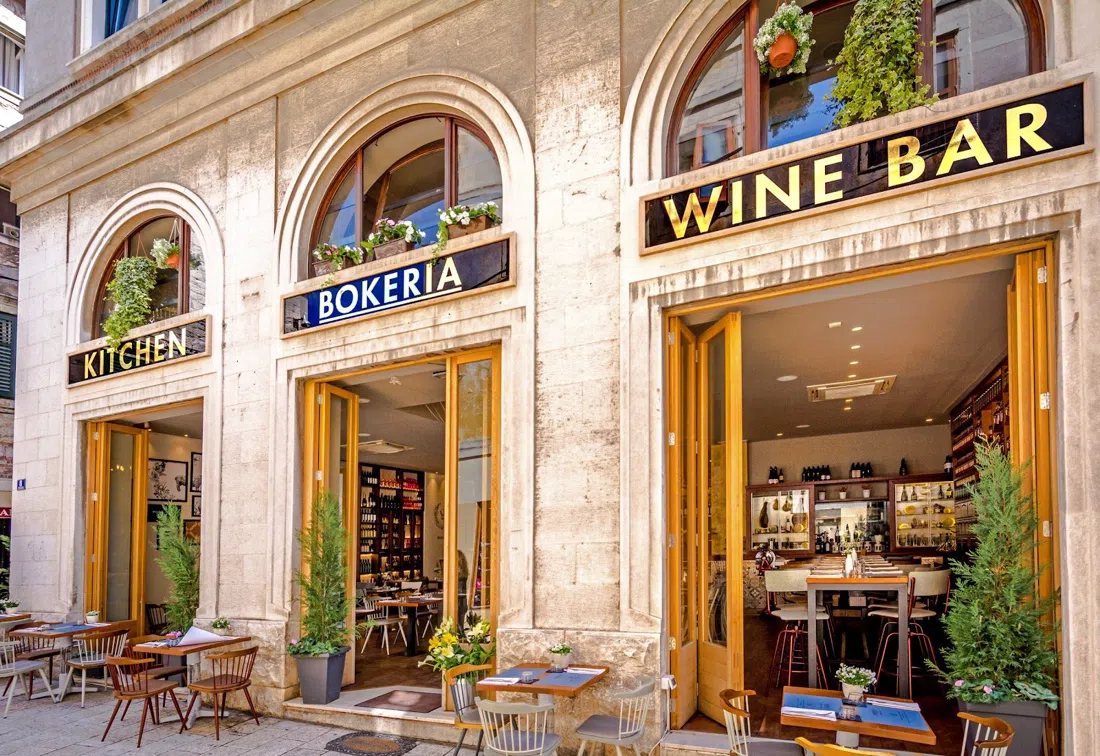
Between the market morning and the konoba evening sits a pair of stops that dress the same ingredients up a notch. Bokeria Kitchen & Wine, right next to the green market, sources directly from the stalls outside its door and is the trail's best market-to-table lunch for a group that wants proper service and a wine list rather than counter seating — it takes groups easily, mains run €18-30, and dinner reservations are worth making since it fills up. Think of it as the polished middle point between the raw ingredients you saw that morning and the unpolished konoba waiting at the end of the day.
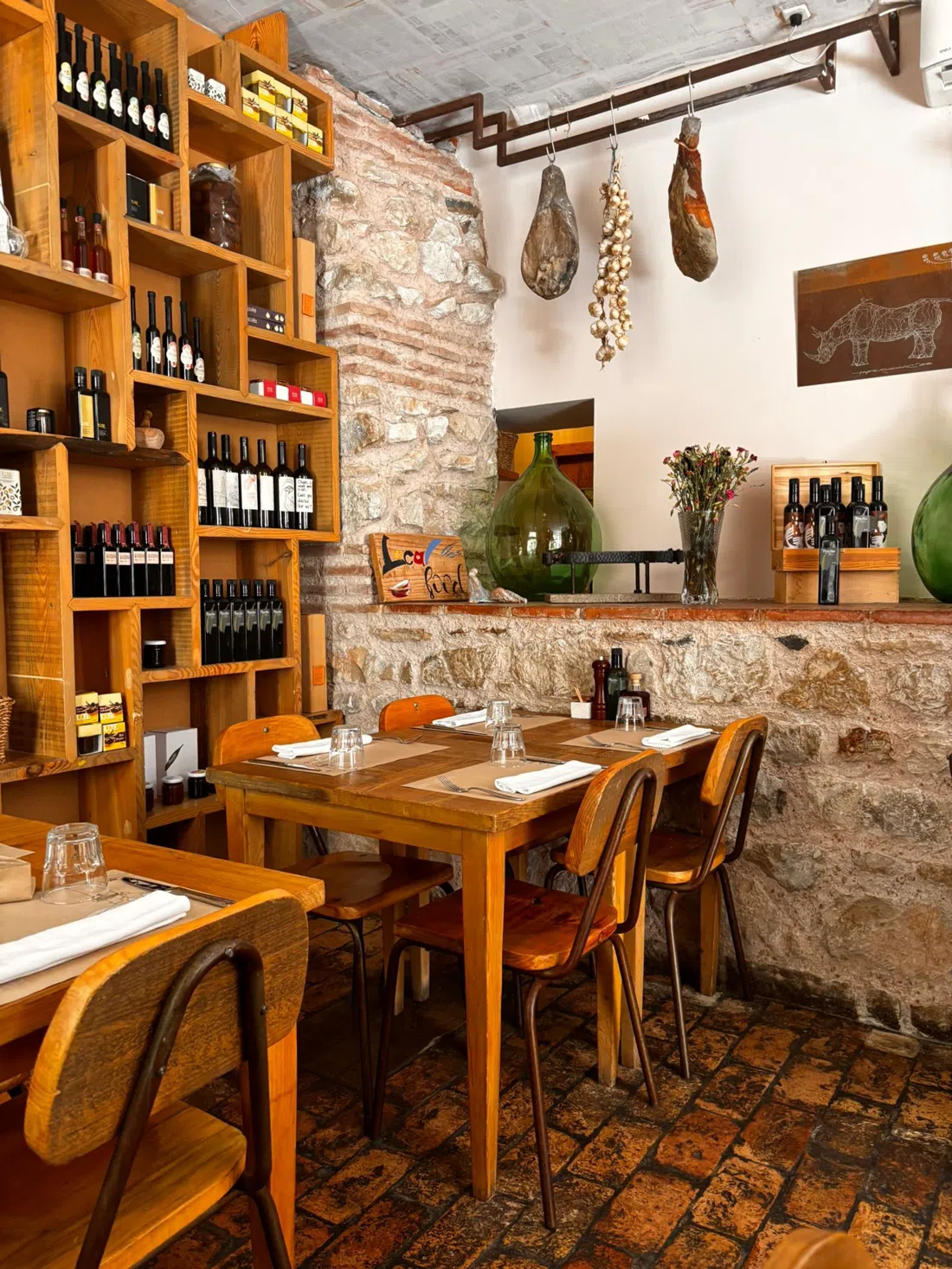
For a deliberate detour, Uje Oil Bar, in the old town, is the trail's dedicated olive-oil stop — their own-label oil runs through the entire menu, savoury and sweet, down to an olive-oil ice cream that sounds like a gimmick and isn't. They take groups and offer a bookable guided tasting, which is worth arranging ahead if you want to actually understand what you're eating rather than just eating it; budget €30-50 per person for a proper sit-down meal here.
Aperitivo: Wine Before the Konoba
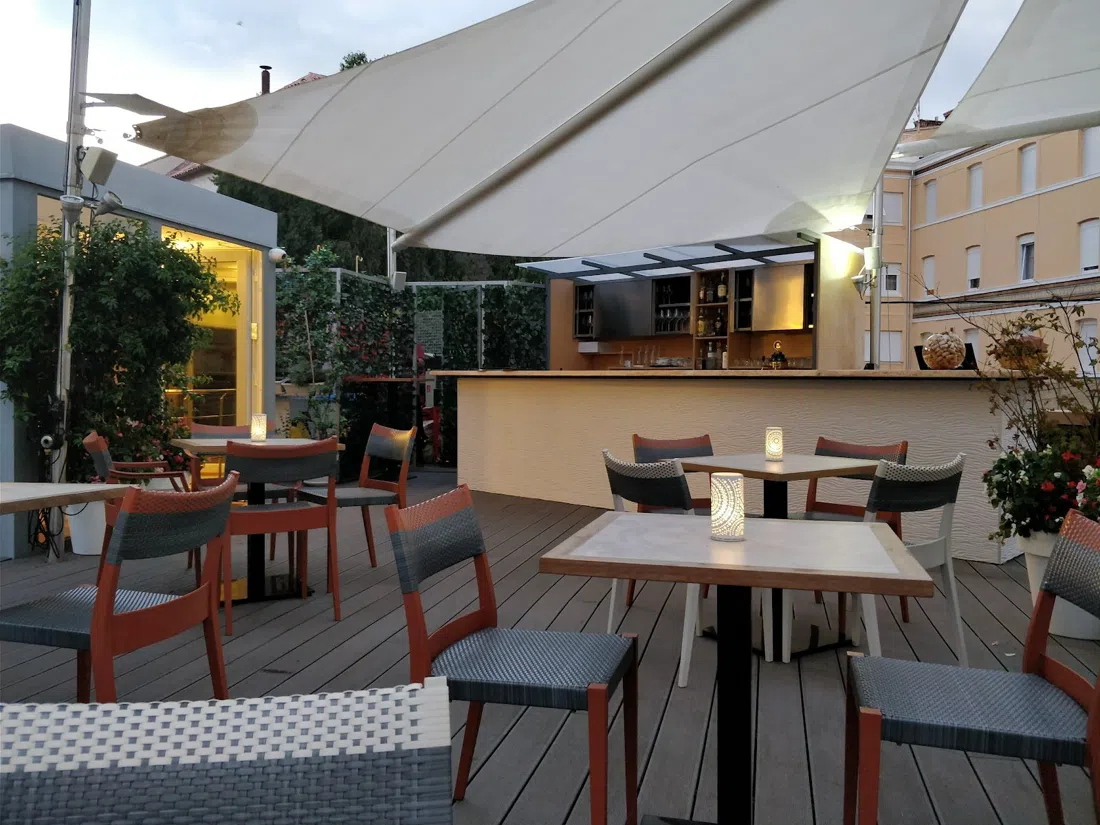
Before the evening's main event, Split has two serious wine stops worth building into the trail if you're not rushing straight to dinner. Wine & Cheese Bar Paradox, a short walk from the old town toward the harbour side, runs an all-Croatian wine list and offers sommelier-guided flights, which makes it the ideal pre-dinner pause — it sets the palate up for the seafood to come. It takes groups, but reservations are advised if you're arriving during the dinner rush; flights and boards run €25-45 per person.
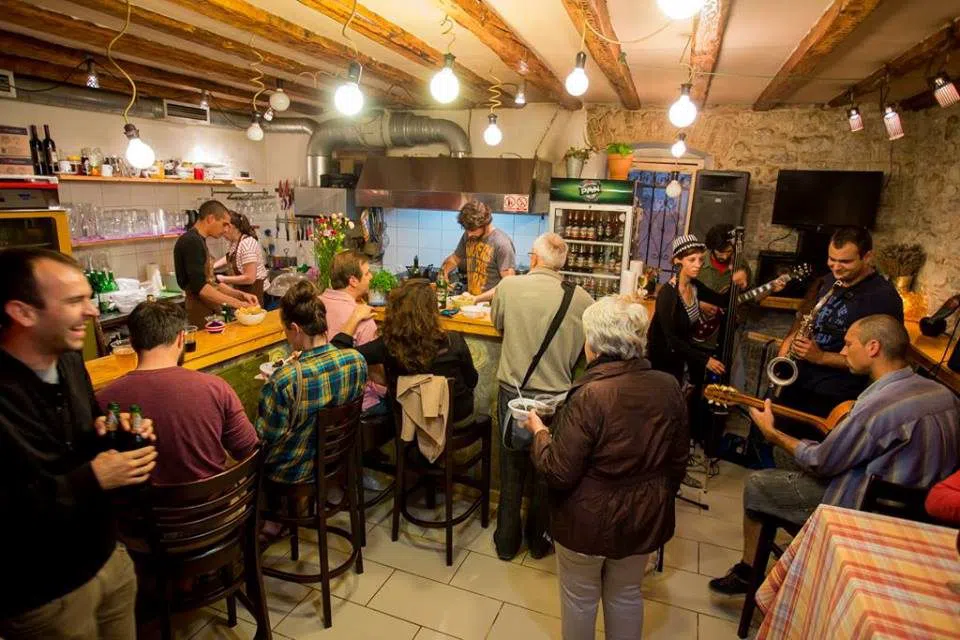
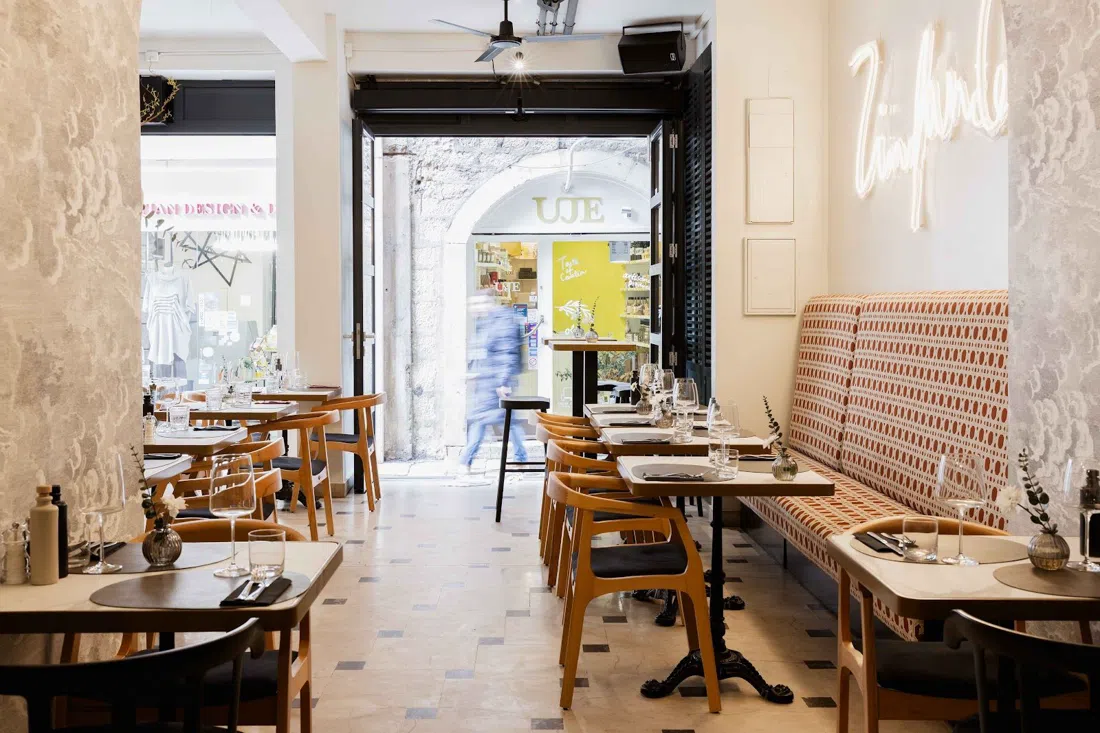
For readers who want to bookend the whole trail with something more formal, Zinfandel Food & Wine Bar, in the old town, is a Michelin-guide listed contemporary Dalmatian room with live music on some evenings — book ahead for busy summer nights, since it's a step up in polish from most of this route. Expect €40-60 per person for a proper wine pairing here; it suits couples or small groups who want a sit-down occasion rather than a fast stop.
Konoba Night
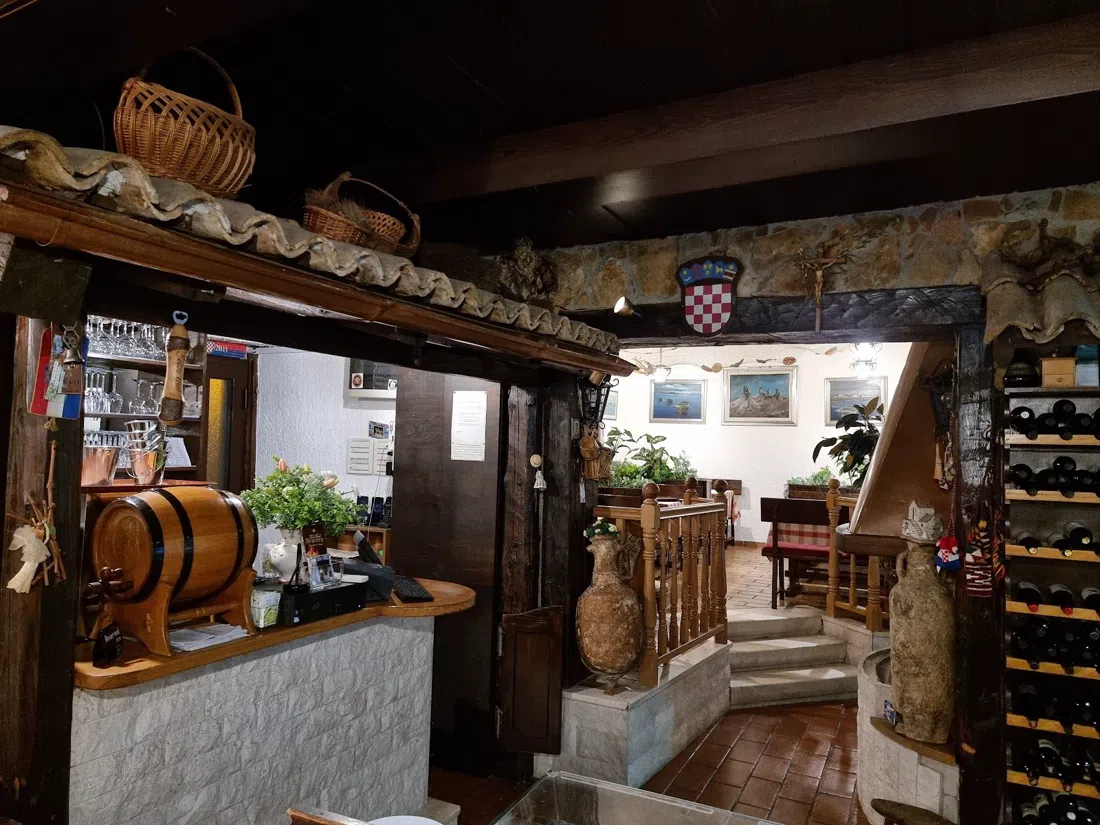
This is what the whole day has been building to. Konoba Matejuška, named for the small fishing harbour it sits beside in the Veli Varoš quarter west of the old town, is the honest, unpolished konoba the trail's title promises — grilled catch and a glass of wine for €12-16, priced for locals rather than for palace tourists, and by most local reckoning the best-value grilled fish in the old town. The room is genuinely small: there's no online booking, and groups over four or five need to arrive right at opening or accept a wait outside.
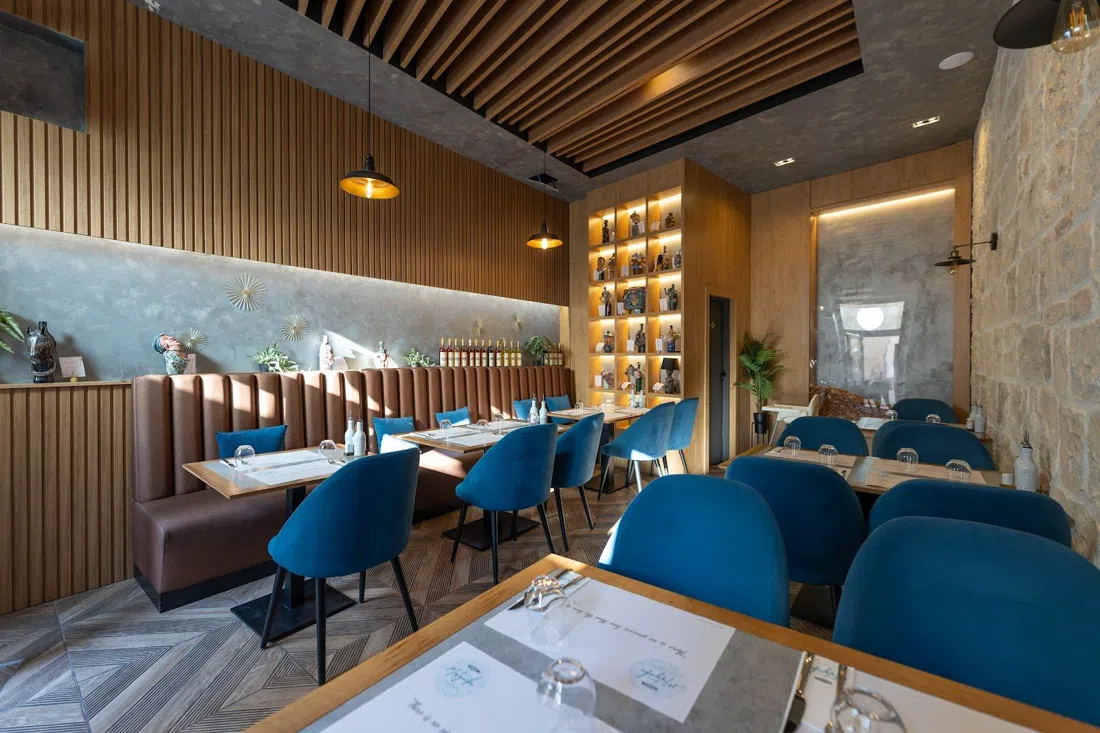
A few doors down, in the same Veli Varoš fishing quarter, Konoba Fetivi is the trail's flagship konoba-night anchor — Michelin Bib Gourmand and Gault&Millau recognised, but still a real neighbourhood room rather than a showcase. It takes small-to-medium groups and reservations are recommended, especially on a summer evening; mains run €18-28. It's closed Sundays, so plan the trail's final night around any day but that one.
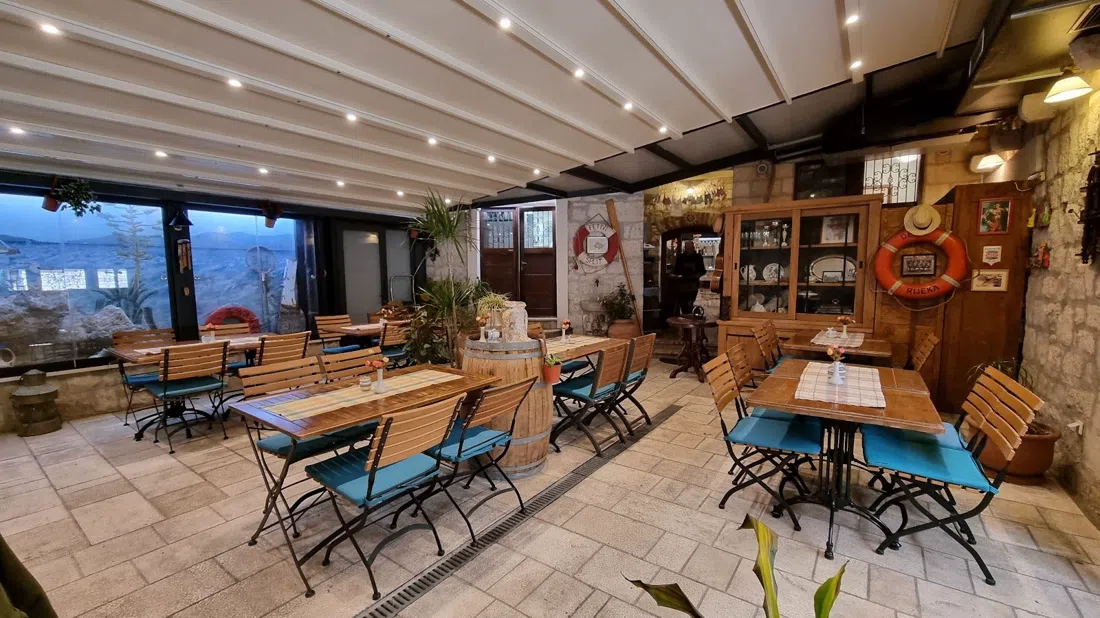
For a group table and a dish that needs commitment, Konoba Varoš, in the residential Veli Varoš district itself, does peka — meat or octopus slow-cooked under a bell of coals with vegetables — properly, but only if you order it a few hours ahead. That advance order is what turns it into the article's true centrepiece dish: a shared, slow, smoky plate built for a full table rather than a solo diner. It takes groups and mains run €12-22 outside the peka order.
The Close: Gelato Until Midnight
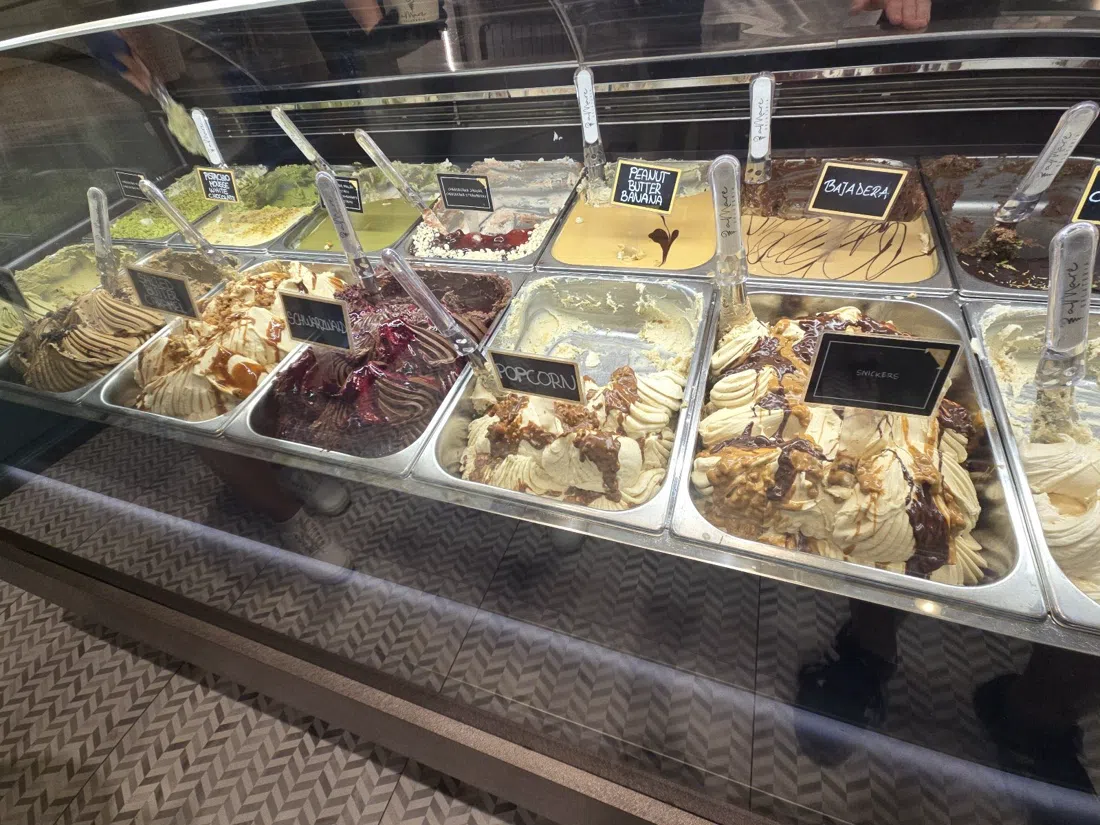
Whichever konoba you end up at, close the day at Gelateria aMare, which has two old-town locations both open until midnight, so it works whenever dinner actually lets out — no fixed last stop, no reservation, just a €3-5 cup eaten walking back toward wherever you're staying. It's the trail's quiet closing note after a day built on markets, oil and grilled fish.
Planning the Trail: Transport, Cash and Timing
Split's old town and the market quarter around it are entirely walkable — nothing on this trail is more than a 15-20 minute walk from anywhere else on it, so there's no need to plan transport between stops beyond good shoes. The market runs are genuinely a morning activity: Pazar and Ribarnica are both past their best by early afternoon, so don't sleep in if that's the point of your day.
Carry cash for the market stalls, Kantun Paulina, and the smaller konobas — card readers are common in the sit-down restaurants, but the stall-to-stall morning still runs on coins and small notes. Reserve where this guide tells you to (Fetivi, Zinfandel, Uje's tasting, a busy-night table at Paradox or Bokeria) and don't bother elsewhere — Villa Spiza and Konoba Matejuška won't take a booking regardless of how far ahead you call.
Budget for the full day: a market breakfast and street lunch can run under €20 a head, while a full trail that includes an olive-oil tasting, a wine flight and a proper konoba dinner puts you closer to €80-100 per person. Either version works — the trail is built to be walked in pieces, not necessarily completed stall to plate in one sitting. If you're building a longer stay around it, start your planning with a Split hotel search based near the old town, since almost everything on this route sits within that single easy-walking radius.