Die Split-Ausgabe
Rubbing Gregory of Nin's Bronze Toe in Split
The toe is free to touch, it sits at knee height, and everything worth pairing with it is within a few minutes of the Golden Gate.

Von Rasmus HoltCity breaks, sights and day trips around Split
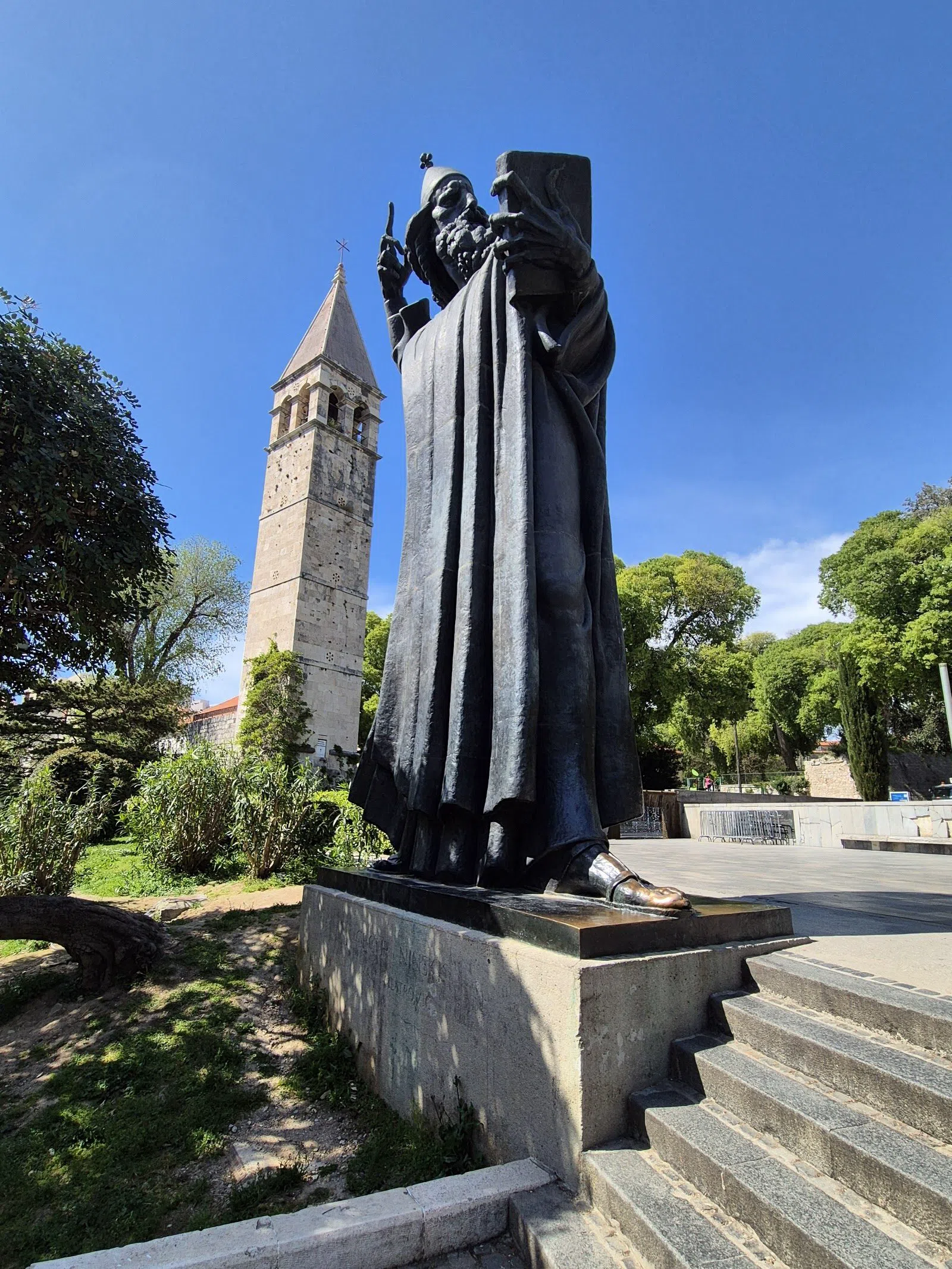
Gregory of Nin's left big toe sits at knee height on an 8.5-metre bronze bishop, rubbed to a bright gold shine by the hands that reach it. The figure stands in a small palm-and-pine park outside the Golden Gate, with the pale Roman limestone wall of Diocletian's Palace directly behind. Ivan Meštrović made it in 1929; it was moved here in 1954 and restored between 2013 and 2015.
What you see at the statue
The bronze has blackened everywhere except that one toe. Gregory of Nin Statue (Grgur Ninski, in the park outside the Golden Gate) shows the bishop in his mitre, one hand raised with a pointing finger, a book held in the other. He won the right to use Croatian in the liturgy, which is why Split stood him at the emperor's front door.

The park has no door and no ticket. Coach and walking groups assemble here constantly, and the toe itself is a single-file queue, so a large party bunches up while everyone takes a turn. Come back in 10 minutes if it is banked up; nothing closes behind you.
Planen Sie Ihre Reise nach Split
Aktuelle Preise unserer Buchungspartner.
Kostenlose Stornierung bei vielen Zimmern. Bei einer Buchung erhalten wir möglicherweise eine Provision.
The Golden Gate and the chapel above it
Thirty seconds from the statue, the Golden Gate (Zlatna vrata, the palace's north wall) is a monumental arched Roman gateway in pale limestone. A row of empty statue niches and small brick relieving arches sit above the opening, and the stub foundations of two flanking octagonal towers remain at ground level. A cobbled lane runs through it into the old town. This was the emperor's ceremonial north gate. It is free and open 24 hours.
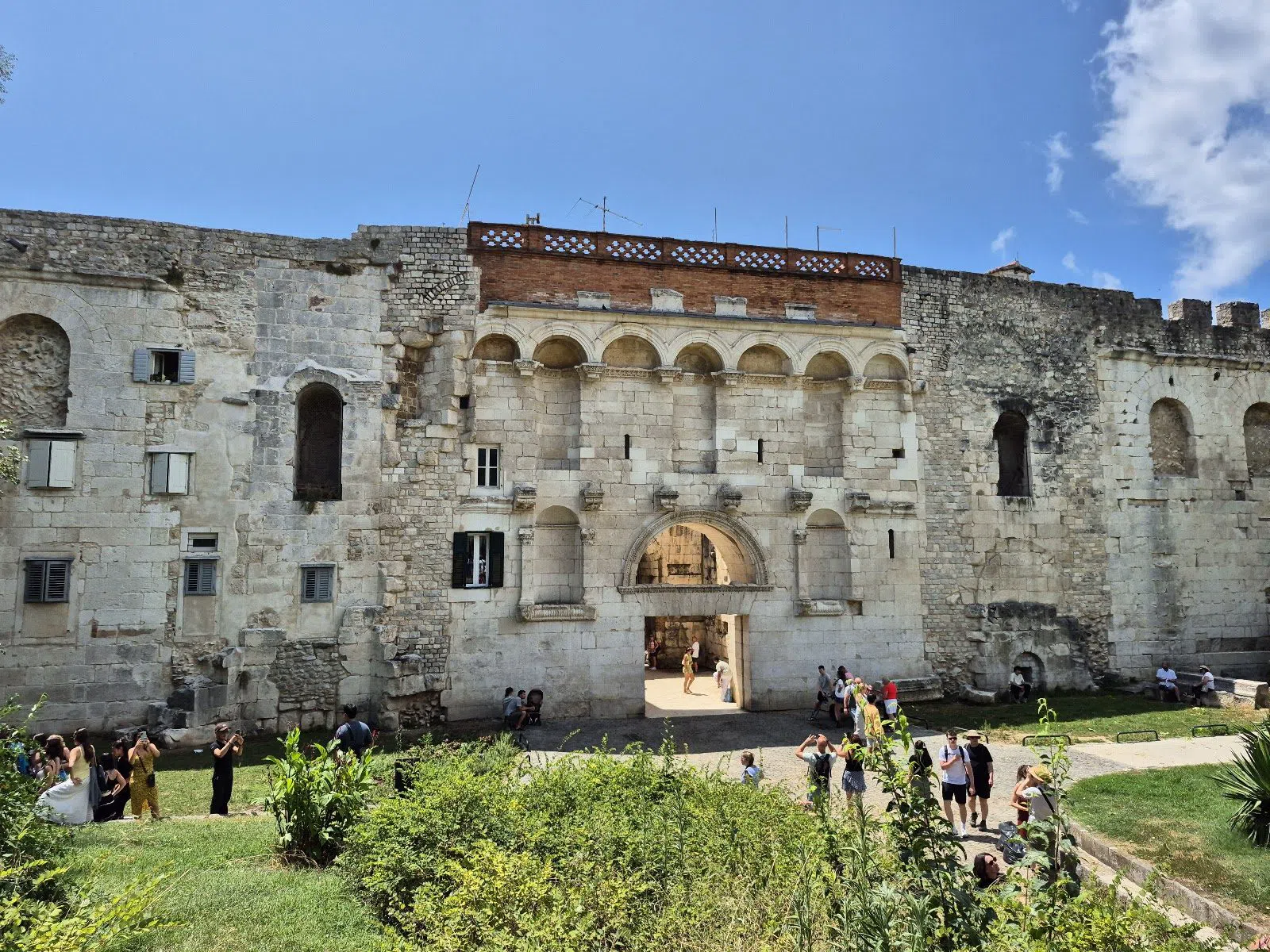
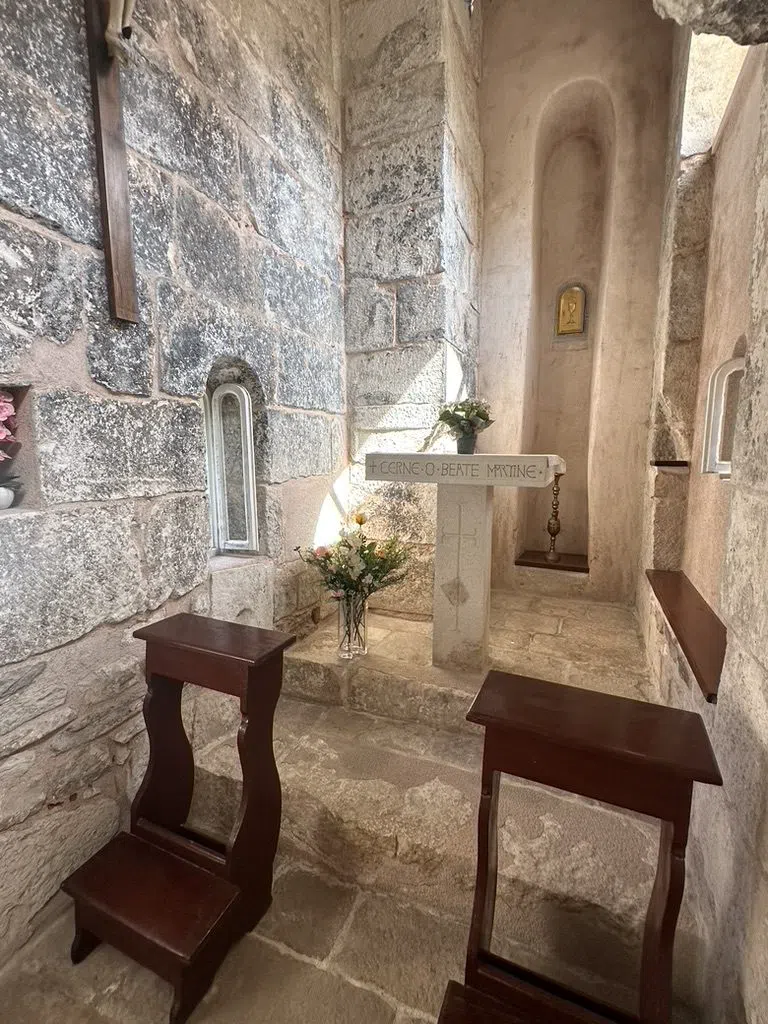
Directly above the gate, the Church of St Martin (Crkva svetog Martina, Majstora Jurja street) is a chapel 1.64 metres wide, carved out of the guards' walkway inside the palace wall. You enter through the Dominican sisters' convent and climb a staircase inside it. The altar screen is 9th-century, covered in plaited Croatian interlace carving, under a low barrel vault lit by narrow slit windows. Entry is €1 to €2. It holds only a handful of people at a time, so a group goes in shifts. Hours are short and depend on the nuns, mornings and mid-afternoon, which makes this a bonus rather than a fixture in your plan.
Kralja Tomislava, one minute away
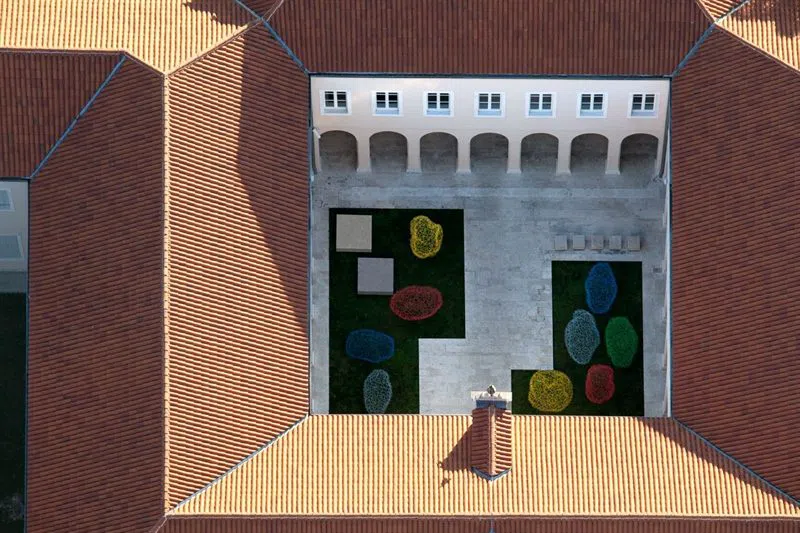
The Gallery of Fine Arts (Galerija umjetnina Split, Kralja Tomislava) is a minute's walk from the statue, in a converted 19th-century Austro-Hungarian hospital with a long stone facade. Inside are white modern halls holding work from the 14th century to the 1960s, an inner courtyard, and windows looking straight at the palace's north wall. Admission is €3 to €5, with a €3 rate for students, pupils and seniors. It closes on Saturdays and Sundays at 14:00.
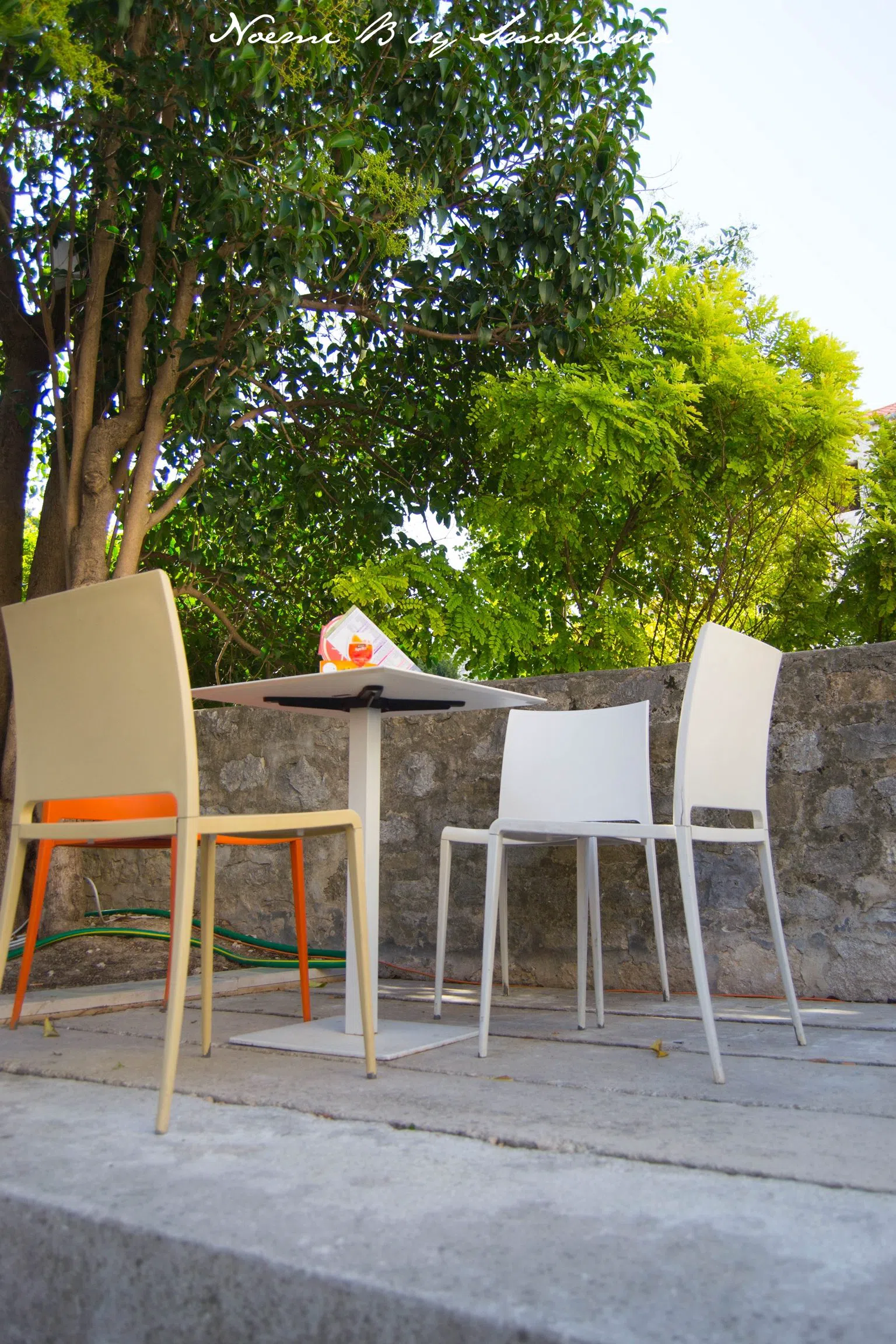
Art Gallery Caffe & Music Bar (Kralja Tomislava 15) sets its tables under a shaded awning along a narrow stone street facing the raw Roman north wall, with the St Domnius bell tower rising over the rooftops behind. It runs daily from 08:00 to 00:00 at €€, and turns to live bands and DJs after dark. The food is inconsistent. Order the coffee and sit with the wall you have just been reading about.
Froggyland (Kralja Tomislava 5) is almost next door to the statue. Behind the glass are 507 hundred-year-old taxidermy frogs in tiny waistcoats, posed across 21 dioramas. One is a schoolroom, one a barbershop shave, one a dentist pulling a tooth, one a gymnastics class. Entry is €13 to €15 and the rooms take 15 to 30 minutes, which is the right length for children who have had enough Roman stonework.

Inside the palace walls
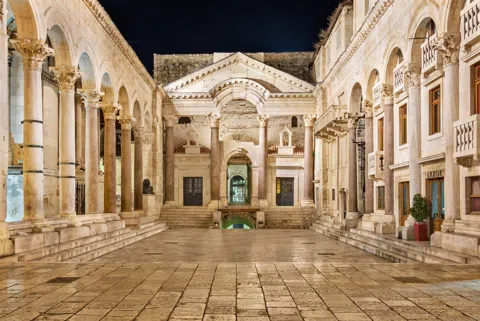
Walk through the gate and the lane brings you to the Peristyle (Peristil), the emperor's ceremonial courtyard, colonnaded in red Egyptian granite with a black granite sphinx from Egypt on a plinth and the cathedral's Romanesque bell tower filling the sky above. In summer red velvet cushions lie scattered on the ancient steps. Klapa a cappella singers work the stone acoustics and a tip of €1 to €2 is appreciated. It is free and open 24 hours, and several walking groups usually share it.
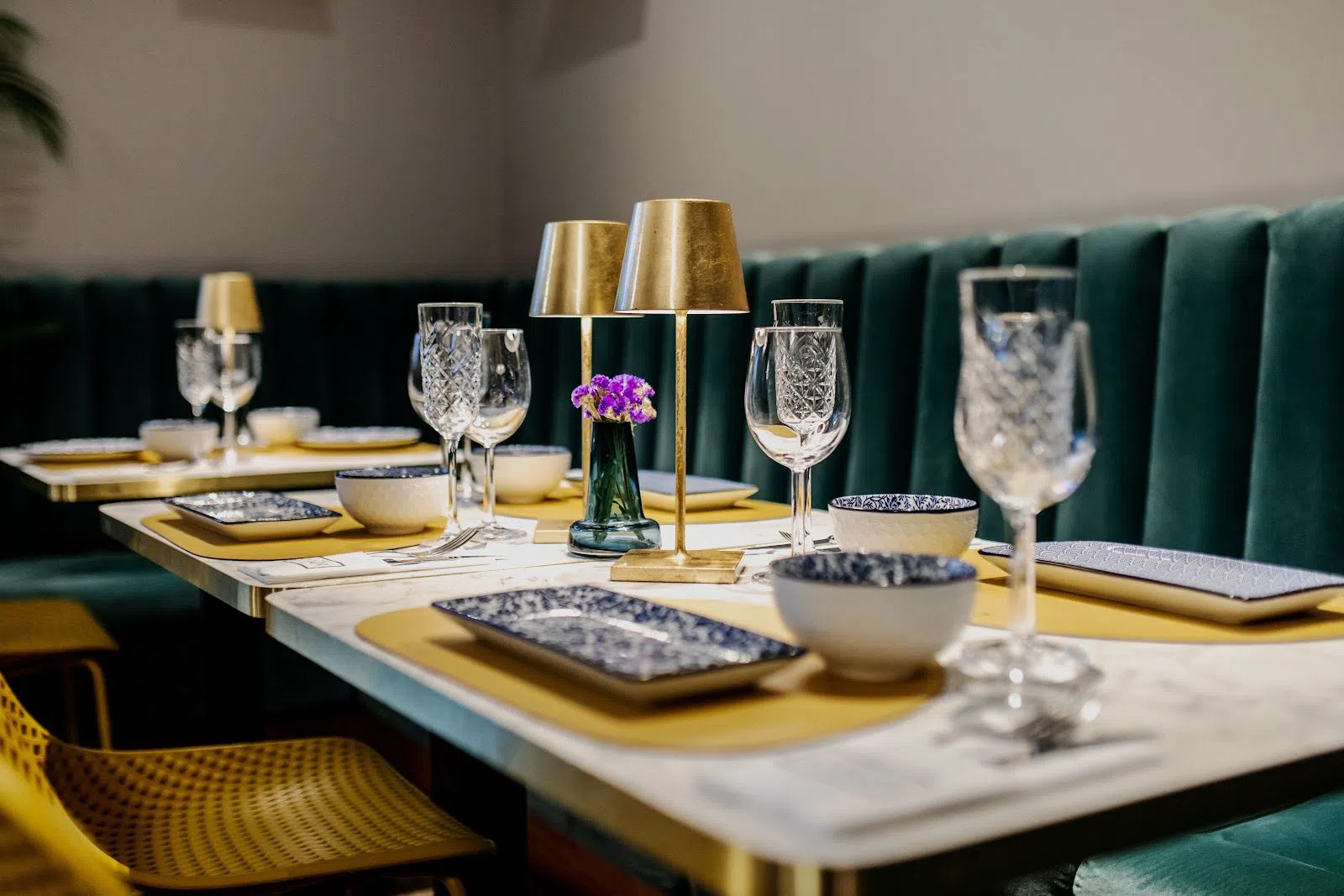
Café Lvxor (Lvxor Kavana, on the Peristyle) is the café whose seating is those red cushions laid directly on the worn Roman steps, facing the cathedral across the colonnade. Behind it sits a brass-and-dark-wood interior, with trays of coffee carried out across the stone. Coffee runs by day and wine after dark at €€, above Split's going rate per cup. Table service slows when the steps fill.
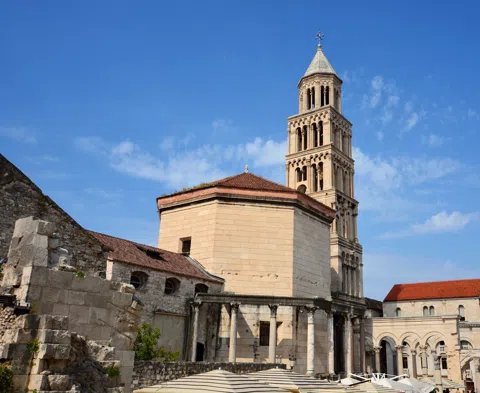
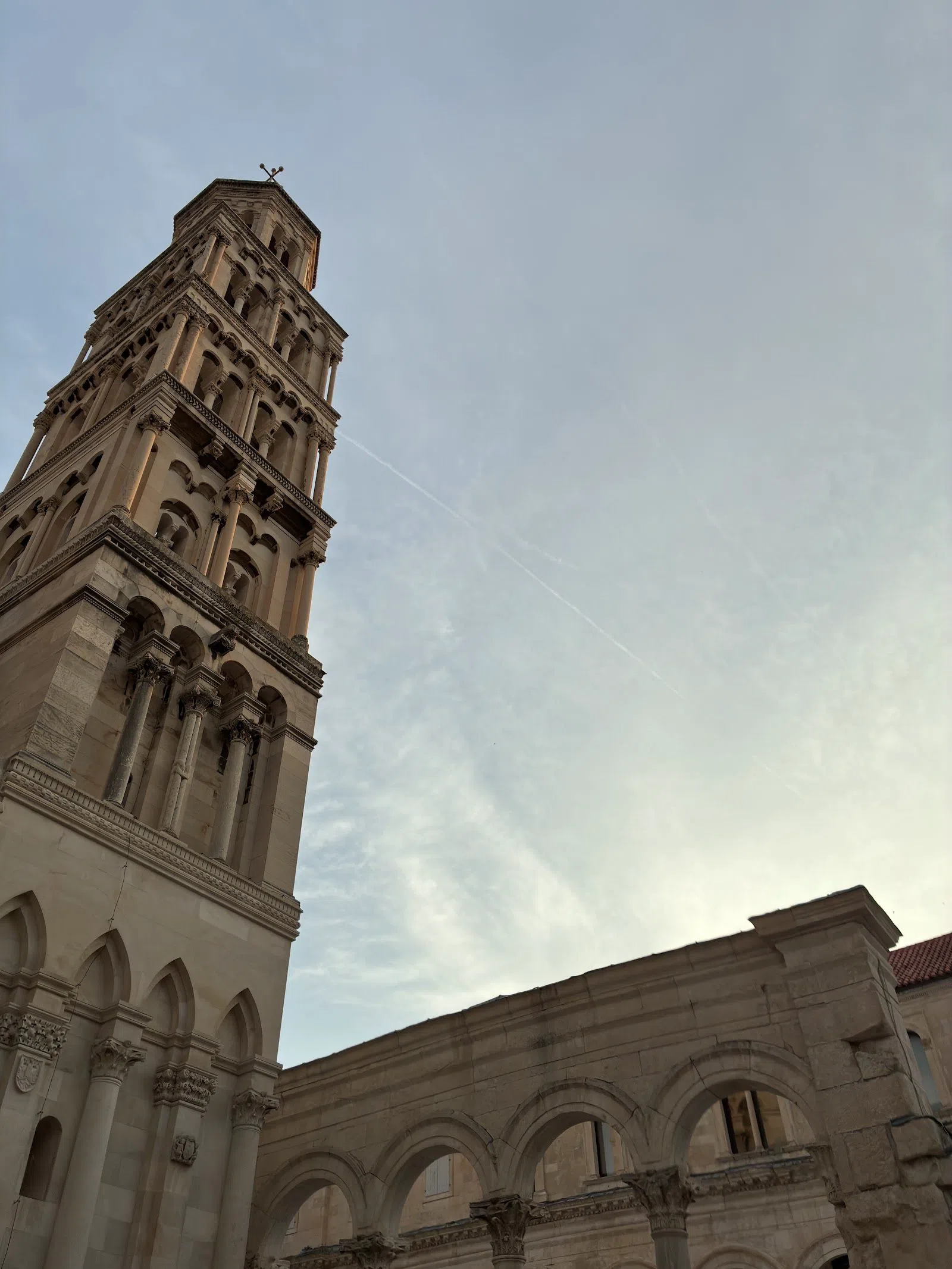
The Cathedral of St Domnius (at the west end of the Peristyle) is Diocletian's octagonal mausoleum turned into a church, ringed by columns, with the carved wooden Buvina doors at its entrance and a 57-metre Romanesque bell tower beside it. The tower is 173 steps of open stone-and-metal stair spiralling up to a railed belfry over terracotta rooftops. You buy tickets at the west end of the Peristyle. The bell tower alone is €7; cathedral, tower and treasury together are €12, and all five sights €15. Staff enforce modest dress at the door, shoulders and knees covered, no beachwear. Allow 30 minutes for the tower. The stair is single-file with two-way traffic, the climb is hot and exposed, and anyone shaky on stairs should stay below. This is the one real queue in the area.

A few paces on, the Vestibule of Diocletian's Palace (Vestibul) is the emperor's entrance hall, a circular domed rotunda stripped back to bare brick. Its roof is gone, leaving a clean round oculus of open sky overhead and four deep niches in the drum walls. Voices ring hard off the stone, and guides bring groups in precisely for that. It is free, open at all hours, and a two-minute stop that self-guided visitors walk straight past.
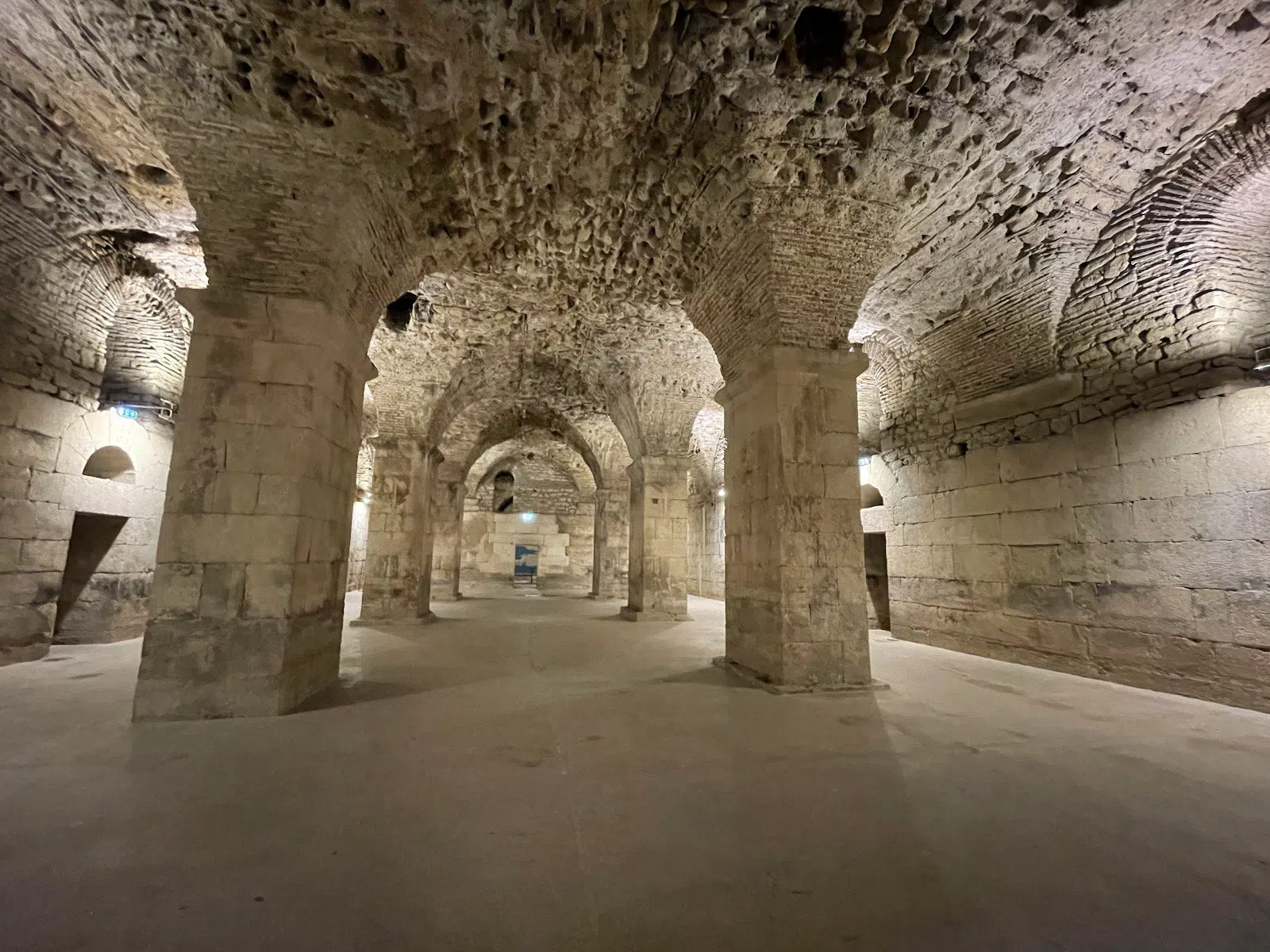
The Substructures of Diocletian's Palace (Podrumi) are vast vaulted underground halls of rough limestone, squat pillars and damp arches holding up the emperor's apartments above, with archaeological fragments laid out in the side wings. The ticketed eastern and western wings cost €10 and open 08:00 to 20:00 from April to October, with reduced winter hours. The central corridor that everyone walks through is free, lined with souvenir stalls and always busy. Be clear on the difference before you pay.
The two museums that explain the city
The Split City Museum (Muzej grada Splita, Papalićeva 1) fills the Grand Papalić Palace, a Gothic-Renaissance townhouse with a lacy carved Gothic triforium window on its facade and a small stone courtyard holding a well and an open loggia. Three floors carry stonework, weapons, paintings and ceramics. It answers the question every walking route raises, which is how a Roman retirement compound became a medieval city. Entry is €5, Tuesday to Sunday 10:00 to 18:00, last entry 30 minutes before close.

The Ethnographic Museum Split (Etnografski muzej Split, inside the palace) runs rooms of embroidered Dalmatian folk costume, gold-threaded headscarves and silver jewellery, then puts you on a reconstructed Roman staircase up to a Renaissance rooftop terrace. From there you look down on the open dome of the Vestibule, across at the bell tower and out to the sea. Entry is €7 and the Split Card covers it. The terrace is the cheapest rooftop view inside the palace and far fewer people queue for it than for the bell tower.

The market by the east wall and the Marjan terrace
Pazar (Split Green Market, against the palace's eastern wall) is five minutes from the statue, rows of open-air stalls under green and white umbrellas. Crates of figs and tomatoes, strings of garlic, jars of honey and bottles of olive oil fill them, and traders call across the aisles. Walking through costs nothing and the market trades daily from 06:00 to 14:00. The aisles are tight and stallholders prefer cash.

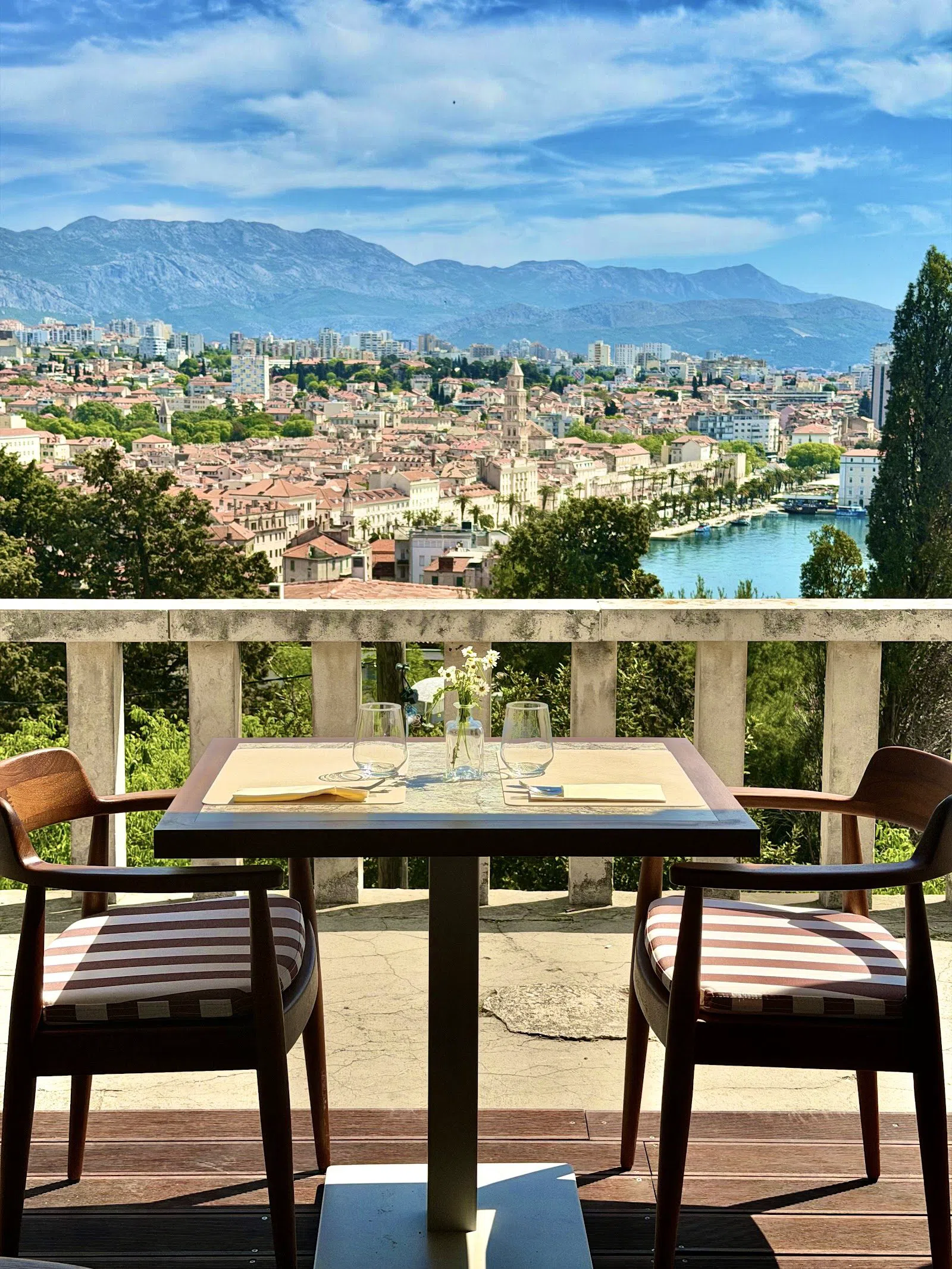
Teraca Vidilica (Prva vidilica na Marjanu, top of Marjan hill) is a stone terrace café under pine shade at the top of 295 steps. The whole old town spreads out below with the cathedral bell tower, the harbour and the islands beyond, and the 1573 Jewish cemetery sits on the slope just behind. Prices are €€. Reach it by the Marjan stairs from the Riva, or up Plinarska through the Varoš quarter. The climb takes five to 10 minutes and rules out anyone with mobility limits.
The sculptor's own house in Meje
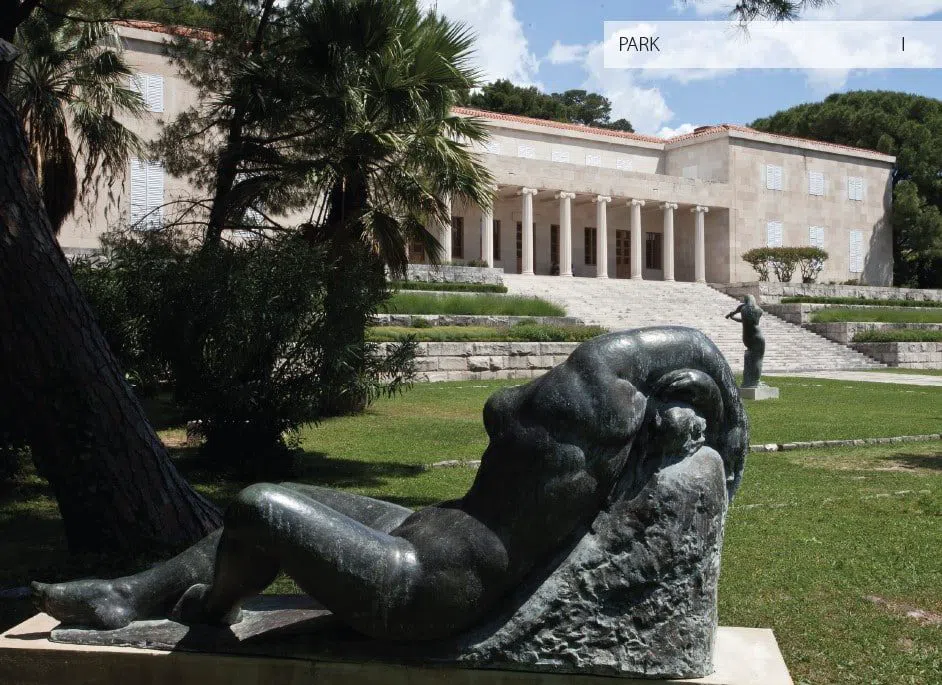
The Meštrović Gallery (Galerija Meštrović, on the Meje seafront) is the grand white villa the sculptor built for himself, tall Ionic columns across the front and a formal terraced garden studded with his bronze and stone figures, the sea beyond. Marble and wood sculptures stand in the light-filled halls inside. Entry is €12 and the same ticket covers his Crikvine-Kaštilac chapel up the road. A docent tour is €50 and a curator tour €120. It opens Tuesday to Sunday with last entry 30 minutes before close, and surcharges of 50 to 100 per cent apply outside hours or on holidays. The walk from the old town takes 25 to 30 minutes, or you can take a bus.
Walking tours and booking ahead
The statue, the gate, the Peristyle and the Vestibule cost nothing, and you can link them yourself in under 10 minutes of walking. A guide buys you the explanation of what you are standing in, and the guided walks here run seven days a week. The most-booked walk is likely to sell out, and some departures are already sold out, including 1 and 4 November 2026. Other dates are still bookable, so fix your date and book ahead rather than turning up on the day.
Who the statue suits
It suits anyone entering the old town through the north wall: free, open, and the toe is at child height as well as adult height. The paid sights around it ask for a half day, a ticket queue at the cathedral and a head for stairs.
Best time to go
Start at the Pazar before 09:00 for the real produce and the real prices, then take the statue while the coach groups are still forming up. Klapa singing fills the Peristyle and the Vestibule from late morning to early afternoon, which is the hour to be inside the palace. Climb the bell tower early in the day or late, never in the middle.
Midday heat belongs underground in the substructures, which stay cool and shaded. Keep the Gallery of Fine Arts for rain or for the worst of the afternoon sun. End on the Marjan terrace, which is what the climb is for.
Winter changes three things. Froggyland is a seasonal operator, closed over winter and reopened in spring 2026 for daily hours of 10:00 to 21:00, so confirm it is in season before you promise it to anyone. From November to May the Ethnographic Museum runs Monday to Friday 09:00 to 16:00 and Saturday 10:00 to 14:00, closed Sunday. From November to April the Marjan terrace serves coffee only, with no food.
Practical notes
Mondays and state or public holidays close the Gallery of Fine Arts, the Split City Museum, the Ethnographic Museum and the Meštrović Gallery, and the chapel above the Golden Gate opens only when the nuns are there. Book your guided walk for a set date in advance. See the Split guide and the Split hotel search.
Vor der Reise
Is there a ticket or a queue to rub the toe?
There is no ticket. The statue is in an open public park, with no door and nothing to pay. People queue single file to reach the toe, which is at knee height, and coach and walking groups gather at the statue constantly, so a large party soon bunches up. If it is banked up, walk the Golden Gate first and come back.
How long should I allow at the statue?
Give it minutes rather than hours. The statue is worth pairing with what sits around it: the Golden Gate is 30 seconds away, the Gallery of Fine Arts a minute, and the Pazar market five minutes. Add the Church of St Martin directly above the gate if its short morning or mid-afternoon hours happen to line up.
Do I need a guided walking tour, or can I do this myself?
You can walk the free stops yourself: the statue, the Golden Gate, the Peristyle and the Vestibule cost nothing and are minutes apart. A guide gives you the history while you are standing in it. Guided walks run seven days a week, the most-booked one is flagged as likely to sell out, and some departures are already fully sold out, including 1 and 4 November 2026.
Who made the statue, and where can I see more of his work?
Ivan Meštrović, in 1929. His villa on the Meje seafront is now the Meštrović Gallery, €12: a terraced garden of his bronze and stone figures, with marble and wood sculptures inside. It is a 25 to 30 minute walk from the old town, or a bus ride, and the ticket also covers his Crikvine-Kaštilac chapel.
What should I pair with the statue if it rains or the heat is heavy?
The Gallery of Fine Arts is a minute away, €3 to €5, and closes at 14:00 on Saturdays and Sundays. The ticketed wings of the substructures cost €10 and stay cool and shaded. For €7 you can go up to the Ethnographic Museum's rooftop terrace, where the queue is far shorter than at the cathedral bell tower.