
Split
Split does not hide its contradictions.
Guests & rooms
The Split guide
An insider’s read on Split
SSplit does not hide its contradictions.
Built at the turn of the 4th century AD as a heavily fortified retirement residence for Emperor Diocletian, the palace was abandoned after his death. When nearby Salona was sacked in the 7th century, refugees moved inside the thick Roman walls, converting temples into churches and imperial chambers into homes. This organic, defensive adaptation created the dense architectural puzzle that exists today. The character of Split is defined by this survivalist history, resulting in a proud, stubborn local identity that revolves around the Hajduk Split football club and the preservation of Dalmatian traditions.

PLATE ISplit, Croatia

Guides & ideas
The Split reading list
Hand-written guides from our editors — itineraries, the best of after dark, where to eat, and what’s genuinely worth your time.
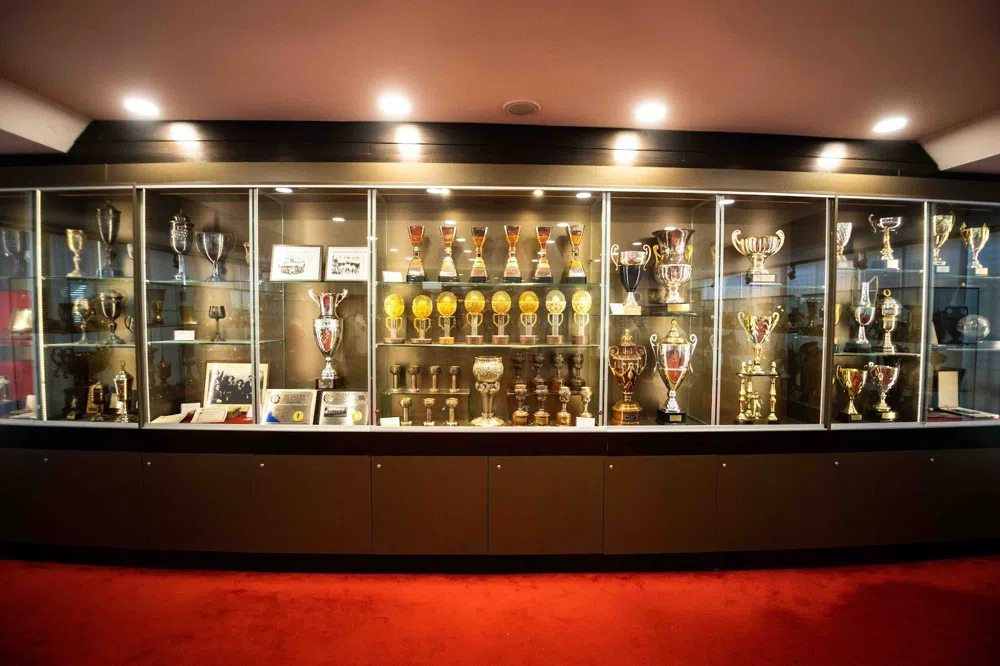
Following Torcida Through Split on a Hajduk Matchday
Split's terrace culture predates most of Europe's ultras groups and grew out of the city's working-class, anti-fascist past. Here is how to see it properly, from Poljud to the third-half bars, without turning it into a spectacle.
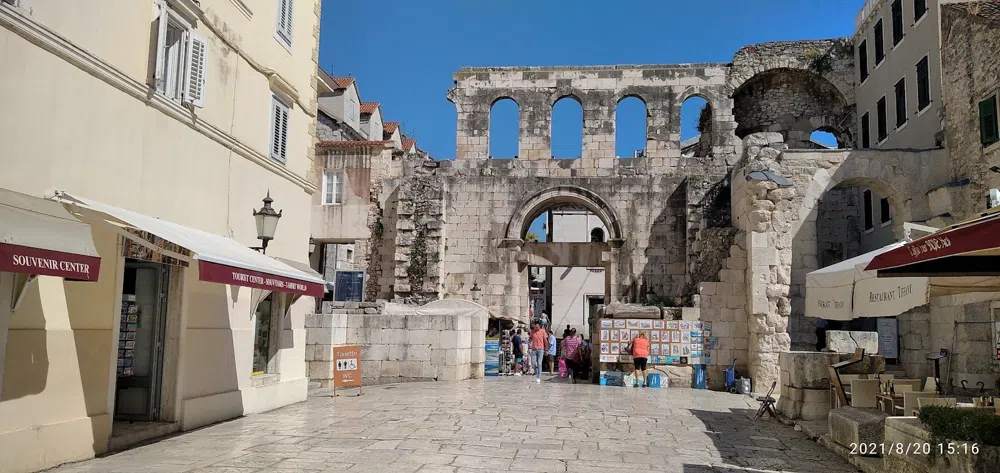
The 48 Hours in Split That Start After the Tour Boats Leave
When the cruise crowds clear the Riva by evening, Split hands itself over to rakija cellars, a Roman-arch tavern, and a beach club that runs till dawn. Here's how to spend the two days that belong to the city, not the day trip.
From Pazar to Peka: A Day of Eating Your Way Through Split
A single-day route through Split's market stalls, fish trattorias, wine bars and konobas, built around exactly what the Adriatic and the Dalmatian hinterland put on the table each morning.
The Riva, Split: Split's Stage for the Daily Passeggiata
From an 8am espresso at Lvxor to a bottle-service table at Central, here's how to read Split's marble promenade the way locals actually walk it.
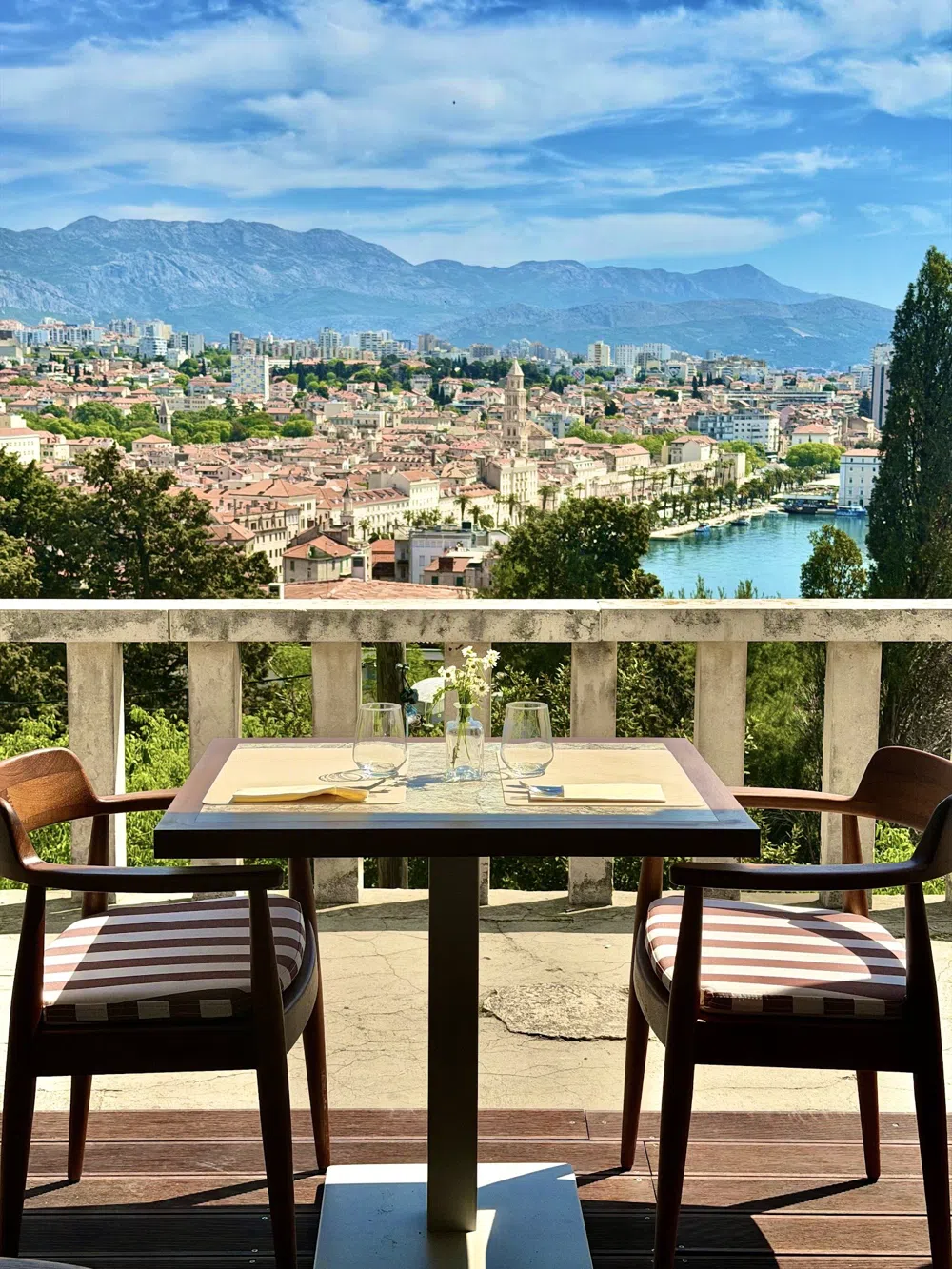
Marjan: Split's Forested Peninsula and the Hill That Keeps the City Sane
How to walk Split's pine-forested hill — its cliff hermitages, hidden beaches, sculptor's villa and summit café — the way locals actually do it.

Chasing the Jadrolinija Timetable: A Split Island-Hopping Story
From the €6 public ferry to a crewed yacht that costs more per day than most people's holiday — how to island-hop out of Split without wasting a single morning on the wrong boat.
Where to base yourself
The neighborhoods
01

Grad (Old Town)
For First-time visitors who want to be steps from major historical sights. The trade-off is constant noise, high prices, and crowds.
The historic core built inside and immediately around Diocletian's Palace. It is a dense maze of limestone alleys, medieval arches, and lively squares.
Where to stay — Boutique heritage hotels integrated into the ancient stone walls.
02

Varoš
For Travelers seeking a quieter, more authentic atmosphere while remaining within a five-minute walk of the center. The trade-off is steep climbing.
An old fisherman's quarter west of the palace, characterized by steep stone stairways, traditional cottages, and quiet residential corners.
Where to stay — Renovated stone apartments and small family-run guesthouses.
03
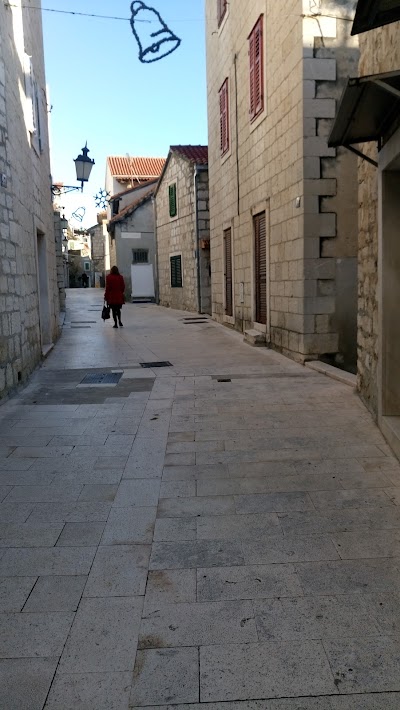
Radunica & Lučac
For Budget-conscious travelers looking for lower accommodation rates and local taverns. The trade-off is that some areas look slightly run-down.
Historic working-class neighborhoods east of the palace. They feature narrow streets, stone houses, and a gritty, unpolished local feel.
Where to stay — Budget apartments and local guesthouses.
04

Bačvice
For Beach lovers and nightlife seekers. The trade-off is the noise from beach clubs late into the night during summer.
A lively coastal neighborhood centered around the city's main sandy beach. It transitions from a family beach by day to a nightlife hub by night.
Where to stay — Mid-range hotels and modern apartments.
05
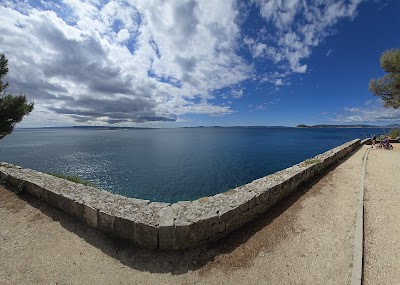
Meje
For Families and travelers seeking peace, sea views, and green spaces. The trade-off is the 20-minute walk to the Old Town.
An upscale, leafy residential district located on the southern slopes of Marjan Hill. It is quiet, green, and lined with villas.
Where to stay — High-end holiday villas and luxury apartments.
06

Spinut
For Long-term travelers and sports fans. The trade-off is the lack of historic charm and the distance from the main beaches.
A residential and student-heavy neighborhood north of Marjan Hill, home to the distinctive Poljud Stadium.
Where to stay — Student residences and budget rental apartments.
07

Gripe
For Travelers interested in military history and local sports culture. The trade-off is the lack of immediate sea access.
A residential district east of the center, dominated by a 17th-century fortress and mid-century Yugoslav apartment blocks.
Where to stay — Standard residential apartments.
Book direct
Book a hotel in Split
Loading live availability and real-time prices…
Where to eat
Dining

Konoba Fetivi
€€Varoš
This family-run tavern serves exceptionally prepared local classics, earning a consistent reputation for authenticity.
Signature — Black risotto made with cuttlefish ink

Dvor
€€€Firule
An upscale coastal restaurant offering refined seafood on a terrace overlooking the sea.
Signature — Slow-cooked octopus stew
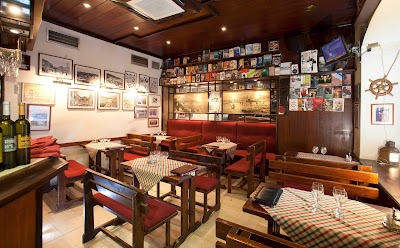
Konoba Hvaranin
€€Varoš
A cozy, intellectual hangout known for traditional Dalmatian fish preparation and a warm atmosphere.
Signature — Gregada (fish and potato stew)

Šug
€€Gripe
A modern bistro that elevates traditional peasant recipes and slow-cooked seafood sauces.
Signature — Macaruni pasta with beef and shrimp sauce

Noštromo
€€€Grad
Located next to the historic fish market, ensuring the daily catch goes straight from the stalls to the kitchen.
Signature — Salt-baked wild sea bass

Konoba Otprilike Ovako
€€Varoš
An intimate tavern with just a few tables, focusing on traditional, unpretentious fish preparation.
Signature — Grilled sardines with local olive oil

Chops Grill
€€€Grad
A sleek, modern steakhouse serving premium cuts of international beef alongside local meats.
Signature — Dry-aged T-bone steak

Kadena
€€€Zenta
Offers sophisticated meat dishes paired with an extensive wine list and panoramic views of the marina.
Signature — Beef tenderloin in truffle sauce

Villa Spiza
€Grad
A tiny, rustic joint with a daily handwritten menu based entirely on what was fresh at the market that morning.
Signature — Sautéed broad beans with pancetta

Tri Volta (Dioklecijan)
€Grad
An unpretentious, old-school tavern popular with locals for cheap wine and cured meats inside the palace walls.
Signature — Pršut (dry-cured ham) and local sheep's cheese
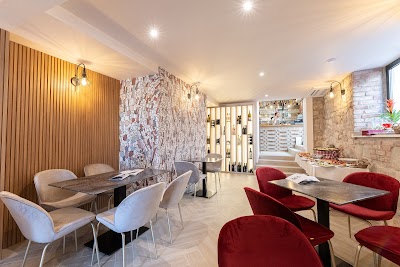
Konoba Marjan
€€Varoš
A family-run establishment serving classic Dalmatian cold starters and home-style cooking.
Signature — Marinated anchovies and octopus salad
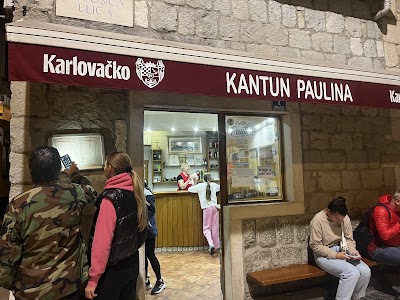
Kantun Paulina
€Grad
A legendary takeaway spot that has been serving the city's favorite grilled minced meat flatbreads for decades.
Signature — Ćevapi in lepinja bread with ajvar

Popaj
€Radunica
A local fast-food institution famous for massive, budget-friendly sandwiches and wraps.
Signature — Chicken sandwich with local sauces

Buffet Fife
€Varoš
Famous for its noisy atmosphere, communal tables, and massive portions of basic Dalmatian home cooking.
Signature — Fried calamari with chard and potatoes

Pandora Greenbox
€€Grad
A plant-filled, whimsical restaurant serving creative, fully plant-based meals and fresh juices.
Signature — Beetroot burger with sweet potato wedges

Upcafe
€Spinut
An organic, macrobiotic-focused cafe popular with health-conscious locals for lunch.
Signature — Daily vegan stew with whole grains

Art & history
Culture

Split Archaeological Museum
Spinut
The oldest museum in Croatia, housing an impressive collection of Greek, Roman, and early Christian artifacts.

Etnografski Muzej
Grad
Located next to the Vestibul, it showcases traditional Dalmatian costumes, crafts, and lifestyle artifacts.

Croatian Maritime Museum
Gripe
Housed inside a 17th-century fortress, it details the region's rich naval history, model ships, and weaponry.

Diocletian's Palace
Grad
The massive, living Roman fortress that forms the core of the city, built for Emperor Diocletian.

Cathedral of Saint Domnius
Grad
Originally built as Diocletian's mausoleum, this is one of the oldest Catholic cathedrals still in use.

Temple of Jupiter
Grad
An ancient Roman temple dedicated to Jupiter, later converted into a Christian baptistery.
Book ahead
Top-rated experiences in Split

Private Walks & Storytelling - the best small group tour in Split
from $250

GROUP/ PRIVATE Walking History Tour of SPLIT with Daniela
from $30

Split Game of Thrones Tour & History Walk Top-Rated All inclusive
from $46

Private Sailing Tour Omiš - Brač with Homemade Lunch, Wine & Beer
from $1122

Taxi Supetar, Brač
from $18

Split Palace & Old Town -Private walking tour- Entrance included
from $200

Private rafting on Cetina river with caving & cliff jumping,free photos & videos
from $118

Split Walking Tour: History, Legends & Tales
from $30
Prices from Viator; we may earn a commission when you book — at no extra cost to you. Tours are sold and operated by Viator, the merchant of record. Ratings are collected by Viator and Tripadvisor.
Timing
When to visit
Spring
May brings pleasant temperatures around 22°C and fewer crowds. The sea is still cool for swimming, but the city is relaxed and outdoor dining is fully operational.
Summer
July and August are hot, dry, and crowded. Temperatures regularly exceed 30°C. Prices peak, and the city fills with festival-goers and cruise ship passengers.
Autumn
September and October are ideal. The Adriatic remains warm enough for swimming, the summer crowds disperse, and accommodation rates drop significantly.
Winter
November to April is quiet and windy. Many tourist-oriented businesses close, but you get to experience the city as the locals do, without the crowds.
What it costs
Budgeting
Logistics
Getting around
From the airport
The Pleso airport shuttle bus runs in tandem with flight arrivals, taking passengers directly to the main bus station next to the ferry port. Public bus Line 37 is cheaper but slower, stopping frequently along the old road. Taxis are expensive; ride-hailing apps offer more predictable pricing.
Public transit
Promet Split operates a reliable network of yellow city buses. They connect the historic center with outlying neighborhoods and beaches. Tickets can be bought directly from the driver or at Tisak newsstands for a slight discount.
Passes & tickets
The Split Card is available at tourist offices. It offers free entry to select museums and discounts at partner venues, though it is only highly cost-effective if you plan on intensive sightseeing over a short period.
On foot
The historic center, including Diocletian's Palace and the Riva, is entirely pedestrianized. The stone streets are polished smooth and can be slippery, making sturdy footwear essential. Most major sights are within easy walking distance of each other.
Travel smart
Safety & etiquette
Local etiquette
- •Do not walk through the historic center or Diocletian's Palace in swimwear; local authorities issue fines for inappropriate dress.
- •Do not climb on the ancient Roman ruins or columns in the Peristyle square.
- •Keep noise levels down when walking through the Old Town late at night, as these historic buildings are still residential homes.
From the ground
Practical tips
1
Avoid eating at restaurants directly on the Riva; they are expensive and generally offer lower quality than those hidden in the back alleys of Varoš.
2
Wear shoes with good grip when exploring the Old Town; the ancient limestone paving stones have been polished smooth over centuries and are incredibly slick.
3
Use official ride-hailing apps rather than hailing taxis on the street to avoid heavily inflated tourist rates.
4
Visit the Cathedral bell tower early in the morning to avoid the midday heat and the long queues of cruise ship passengers.
5
Carry some cash, as smaller bakeries, market stalls, and local taverns often do not accept credit cards.
6
If visiting in summer, climb Marjan Hill either early in the morning or at sunset to avoid the intense midday heat.
Split FAQs
Can you swim in the center of Split?
Yes, Bačvice beach is a sandy beach located just a ten-minute walk east of the ferry port, though cleaner, pebbly beaches like Ježinac lie further west.
Is the tap water safe to drink?
Yes, the tap water in Split is of excellent quality, sourced directly from the nearby Jadro River.
Do I need to book ferry tickets in advance?
Yes, if you are traveling with a car in July or August, booking in advance is essential; foot passengers can usually buy tickets on the day, though booking online saves time.
How many days do I need in Split?
Two days are sufficient to see the main historical sights and climb Marjan Hill, but it serves as an excellent base for a week of day trips to nearby islands and national parks.
Is Split expensive?
Prices have risen significantly since the adoption of the Euro, especially inside the palace walls, but neighborhood taverns in Varoš and Radunica remain reasonably priced.