The Split issue
Marjan: Split's Forested Peninsula and the Hill That Keeps the City Sane
How to walk Split's pine-forested hill — its cliff hermitages, hidden beaches, sculptor's villa and summit café — the way locals actually do it.

By Rasmus HoltCity breaks, sights and day trips around Split
When the July heat settles into the limestone of Diocletian's Palace and the cruise passengers press four abreast through streets built for sedan chairs, the people who actually live here do something the visitors rarely think to copy: they turn west and walk uphill. Ten minutes from the Riva the noise thins, the pavement gives way to pine needles, and you are on Marjan — a 178-metre forested hill on its own peninsula, laced with stone stairways, hermit churches carved into the cliffs, and beaches you reach only on foot. It is not a sight to be ticked off. It is the reason the city stays livable, and the honest way to understand Split.
Marjan rewards a plan, though, because it is bigger and steeper than it looks from the harbour, and its best parts are strung out along several kilometres of coast and ridge. What follows is how to walk it well — where to climb, where to swim, which churches earn the detour, and where to sit with the whole city at your feet. If you want a bed within walking distance of the trailheads, the Split hotel search is the place to start; for the old town and the rest of the city, the wider Split guide covers it.
The climb: steps, viewpoint and summit
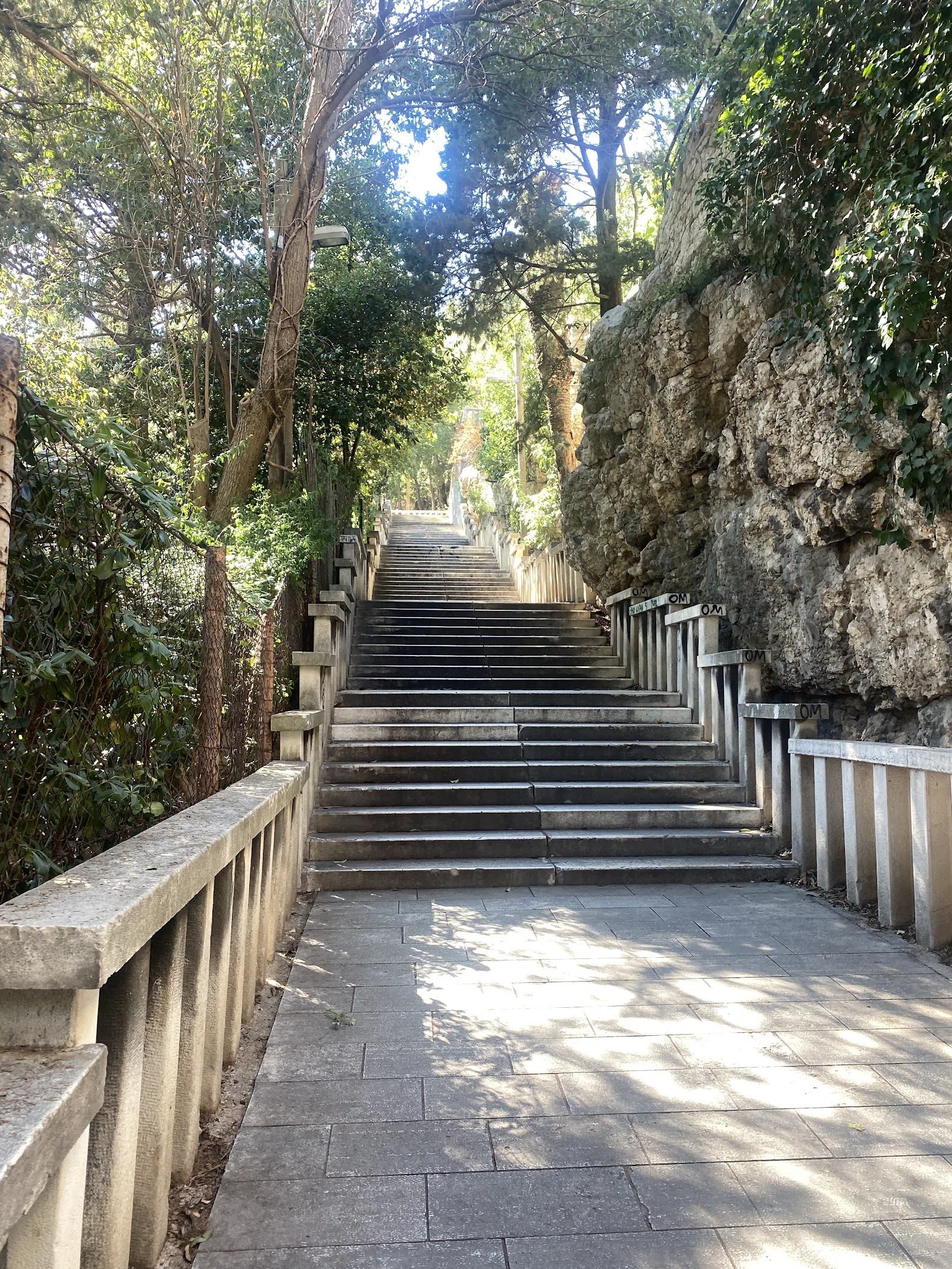
The classic ascent begins in Veli Varoš, the fishermen's quarter of low stone houses that climbs the hill's eastern flank. Here the Marjanske skale (Marjan Steps), in Veli Varoš, are the 1920s stone stairway that first opened the hill to the city, and they remain the way most locals climb it. This is a public route with no limit and no ticket — a favourite of runners and morning walking groups — and from the top of the steps the pine-shaded forest trails begin, the network that genuinely functions as Split's lung. Take them slowly. They were built for contemplation as much as exercise, and the gradient is gentler than the switchbacks look.
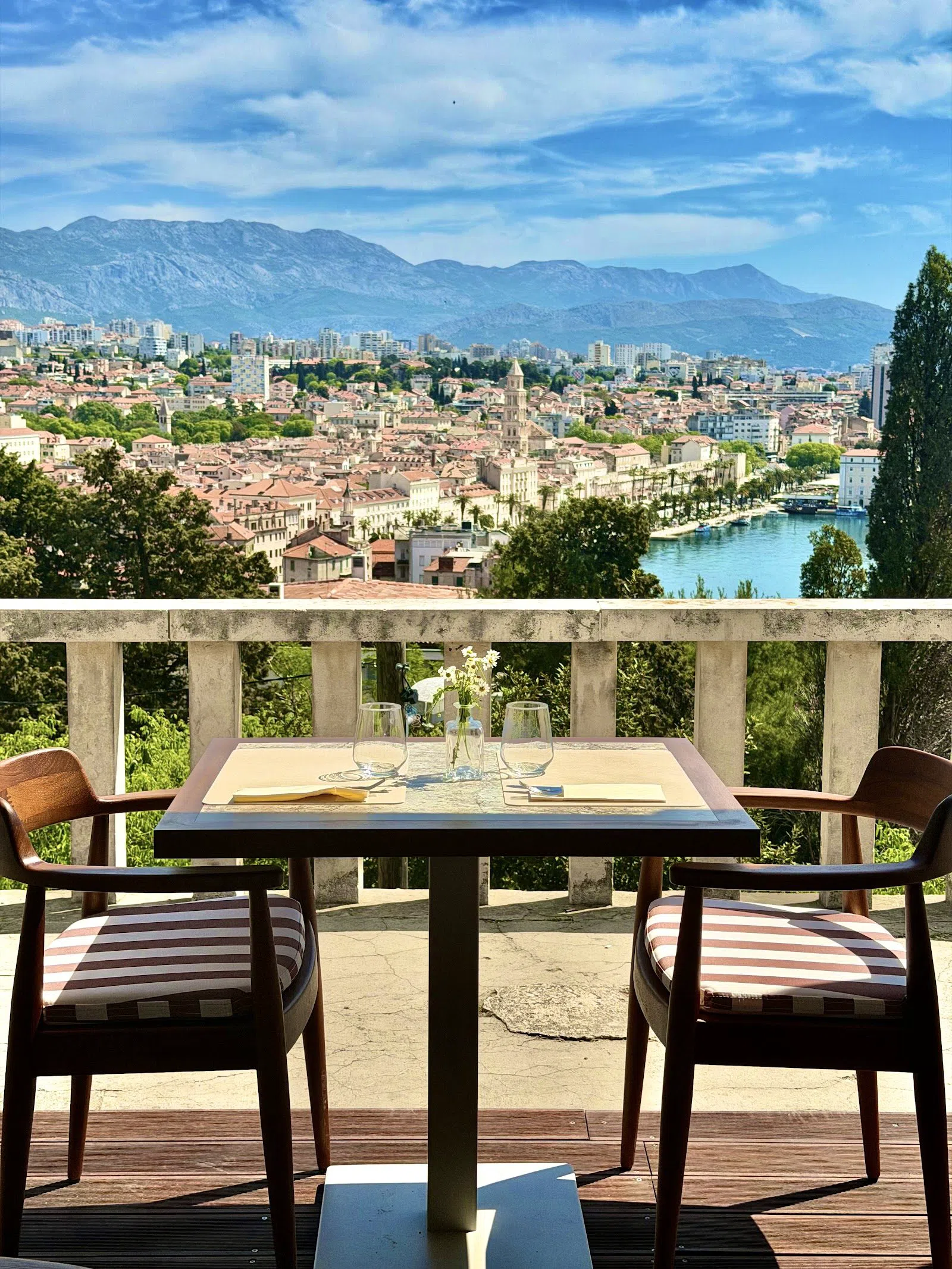
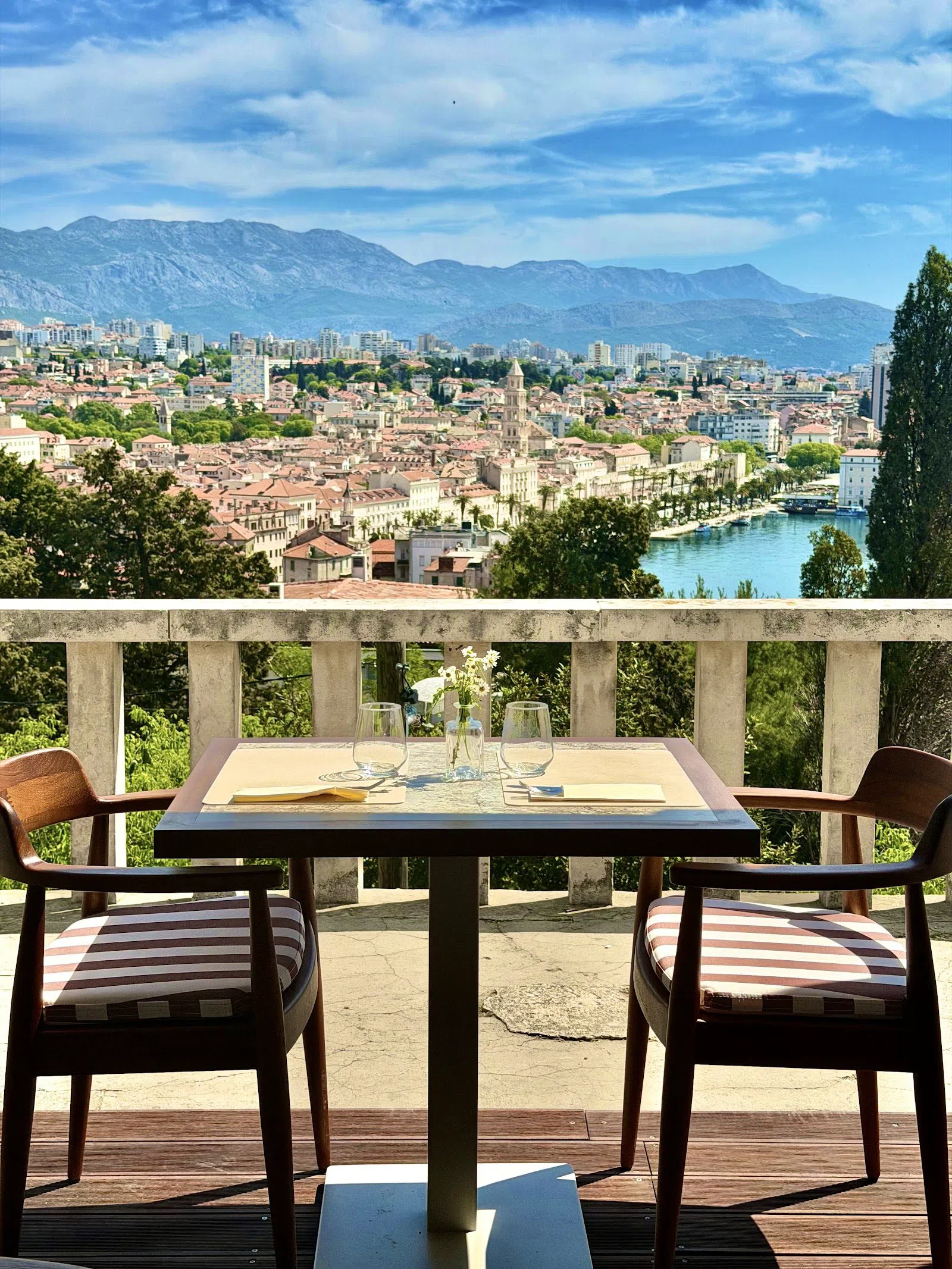
The steps deliver you to Prva vidilica, the first viewpoint, and to Teraca Vidilica, on the Marjan escarpment above Veli Varoš — the café with the whole city at its feet. This is where locals catch their breath after the climb: a large open terrace, walk-ins and groups welcome, no reservations, coffee or a beer in the €3–6 range and some light food. It is busiest at sunset, when half of Split seems to have had the same idea, and deservedly so — the terrace looks straight down over the red roofs, the campanile and the islands beyond. It suits everyone: couples, families, a group of ten who turned up unannounced. One practical note that saves a walk: the staff here hold the key to the Jewish cemetery gate below, so if you find it locked, ask at the counter.
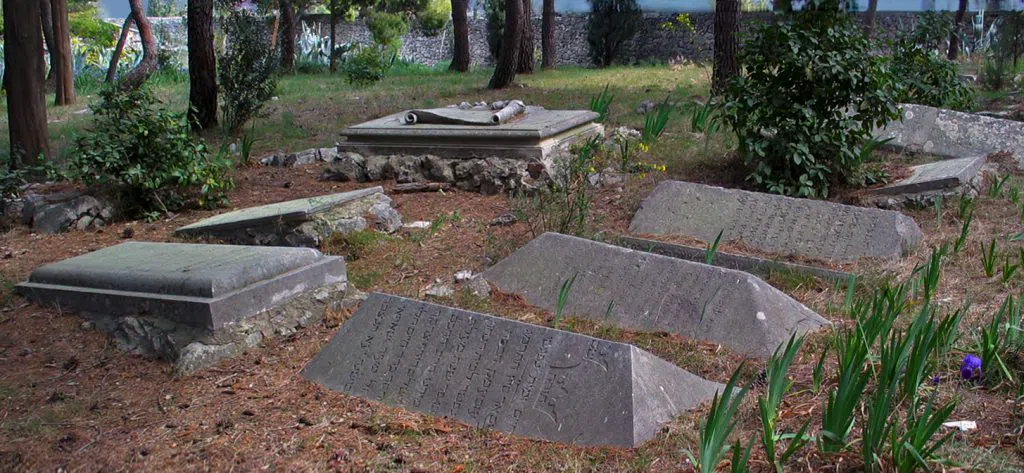
That cemetery is worth the small ask. The Old Jewish Cemetery on Marjan, on the hill's eastern slope just below Vidilica, was founded in 1573 by Sephardic Jews who found refuge in Split, and it is one of the oldest surviving Jewish cemeteries anywhere in the world. The gate is sometimes locked precisely because the space is small and fragile; it suits quiet, small groups rather than crowds. It is free, though a donation is welcome, and it is moving and uncrowded in a way little else on the peninsula manages — a reminder that Marjan's story is layered with people, not just pines.
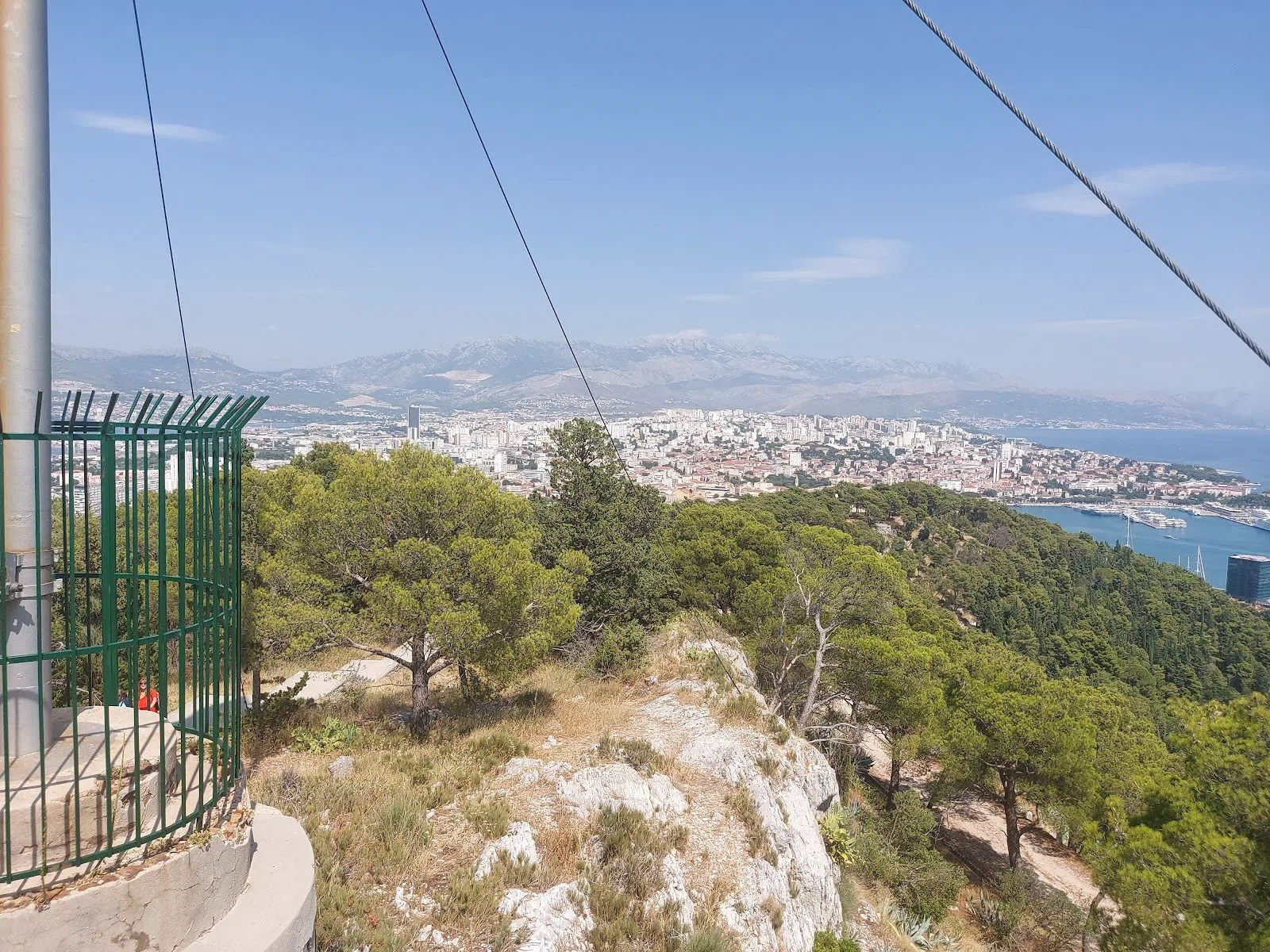
From Vidilica the forest path continues to the true high point. Telegrin (Marjan summit), at 178 metres above the western ridge, is the payoff of the whole trail network: roughly 800 steps and a shaded pine path above the café. It is a free, open trail with no limit, equally happy to take a running club or a family with older children. Go early. There is little shade on the final approach and, in high summer, the midday heat off the rock is real. The reward is the full sweep of the coast and the archipelago, and the quiet satisfaction of having climbed the thing rather than photographed it from below.
Plan your Split trip
Live prices from our booking partners.
Free cancellation on many rooms. We may earn a commission when you book.
The cliff churches
Marjan's chapels are its strangest, most affecting feature — small medieval buildings set into the rock by hermits who wanted the sea, the silence and nothing else. Take them in order as the southern path unspools.
The easiest first landmark is the Church of St. Nicholas (Sveti Nikola), on the lower Marjan slope above the old town. Consecrated in 1219 and once attached to a hermit's shelter, it is the oldest of the hill's little churches. The exterior is open to all and the plateau in front of it takes groups comfortably; the interior is compact, so step inside a few at a time. It sets the tone for what is coming.
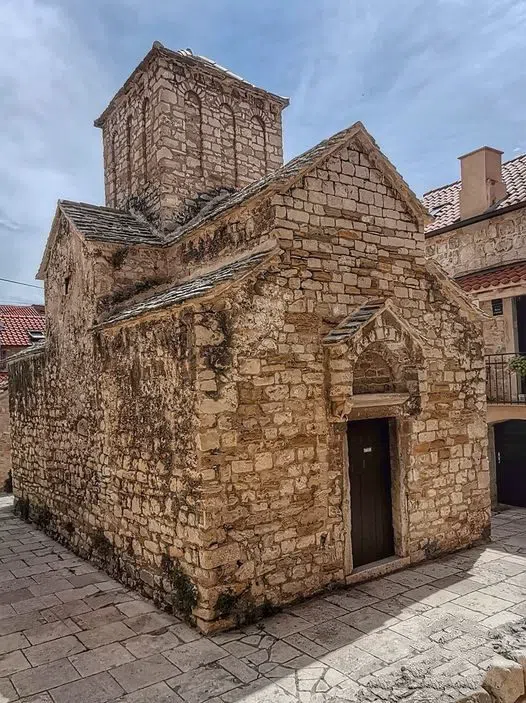
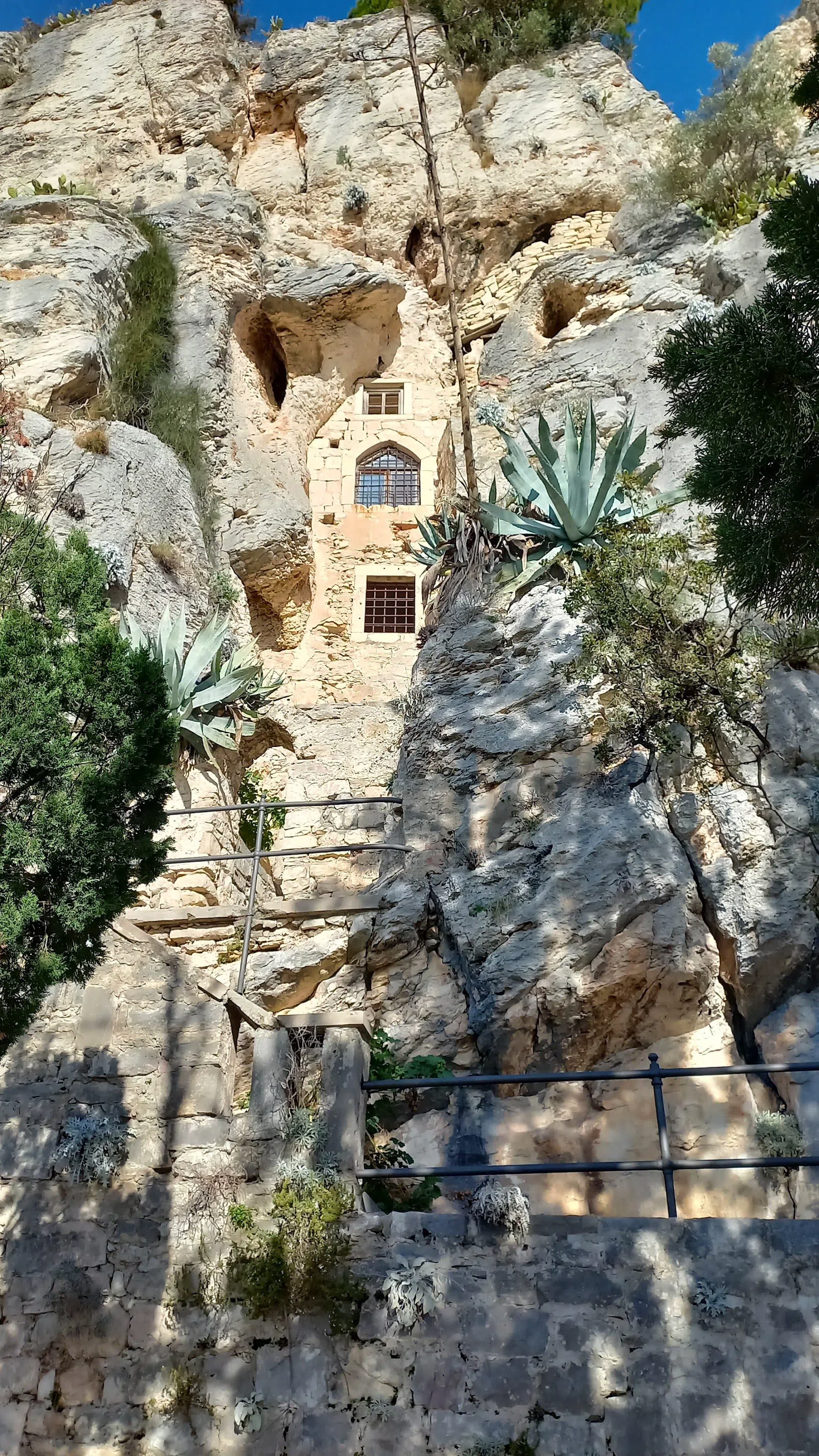
Further along the ridge, the Church of St. Jerome (Sveti Jere) & Karepić Hermitage, on Marjan's southern cliff face, is the most dramatic of them. Hermit monks lived for centuries in the caves in the rock beneath the church, and the fortified Karepić cell above was built to withstand pirate and Ottoman raids — a detail that tells you how exposed this coast once felt. The exterior and the clifftop path are always accessible and fine for groups; the tiny interior opens for services or on request. Even if the door is shut, the setting — church, cliff, open water — is the point, and it costs nothing.
A little on, the Church of Our Lady of Bethlehem (Gospa od Betlema), on the southern forest path, is the quiet votive stop: a small chapel still tended and used, where groups gather on the terrace outside and the interior is best appreciated in small numbers. It earns its place not through drama but through continuity — the way it threads faith and forest together, which is exactly the Marjan this walk is about. Between the three churches you get the whole arc of the hill's religious life, from a 13th-century foundation to a chapel that still draws its handful of the faithful.
Meštrović's shore: villa, chapel and a local swim

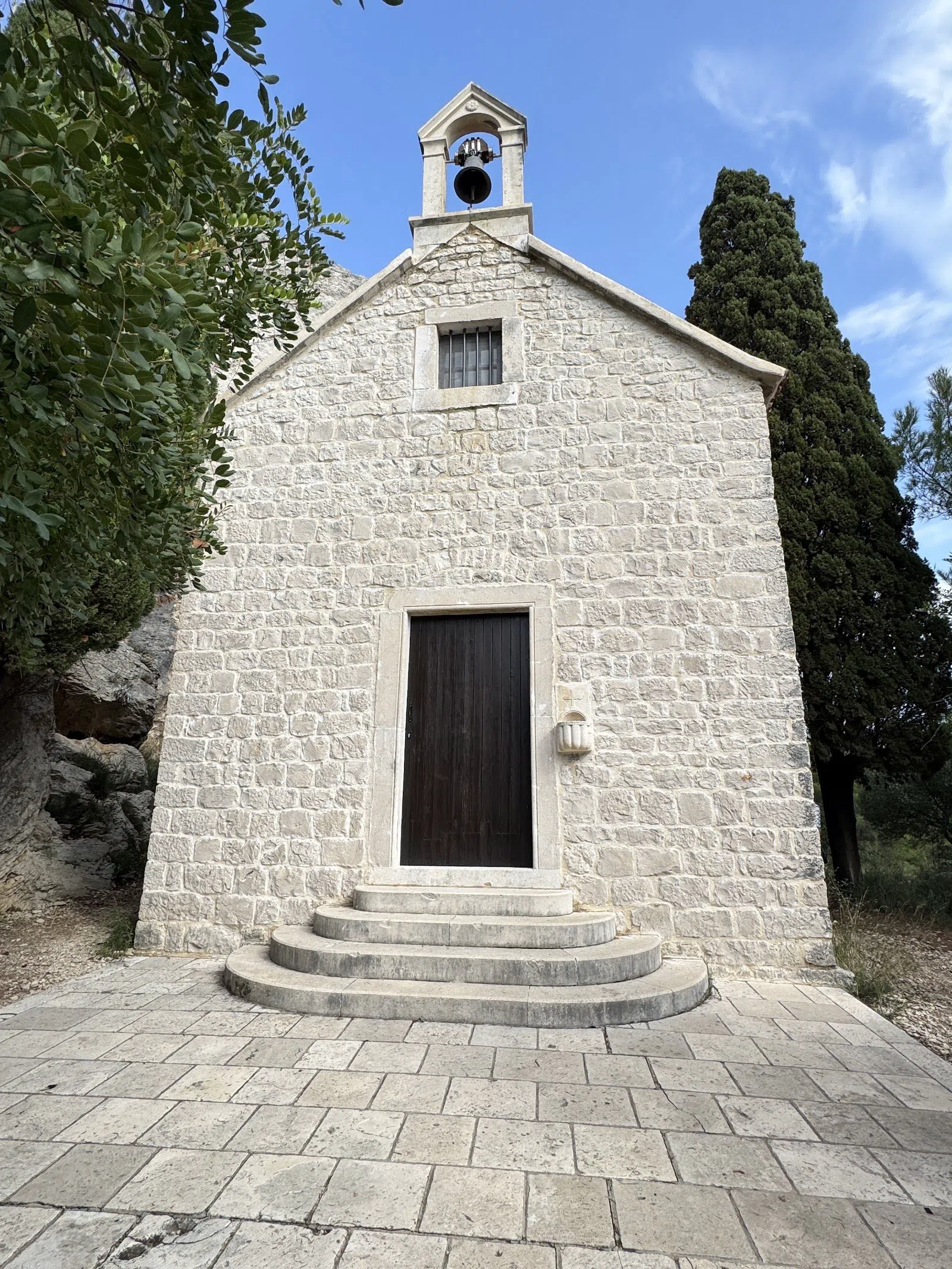
Marjan's western and southern coast holds the peninsula's cultural heart, and it belongs to one man: the sculptor Ivan Meštrović, who built his seafront home here. The Meštrović Gallery (Galerija Meštrović), on the Meje shore road, occupies that villa, and it comfortably handles tour groups. There is an honest caveat for 2026, though, and you should plan around it: the interior galleries are closed this year for an energy-renovation. What remains open — at roughly half the usual price, since the ticket is reduced by about 50% in 2026 — is the sculpture garden, the architecture of the house itself, and the grounds, which stay accessible even during the works. It is €€ rather than cheap, but the garden and building alone justify a visit if you know going in that the main halls are dark.
Crucially, that ticket also covers Meštrović's Crikvine-Kaštilac (Kaštelet), a short walk along the shore in Meje. This walled Renaissance estate holds Meštrović's masterwork: a cycle of wooden reliefs, hushed and intense, set in a small chapel through which groups rotate a few at a time. With the main gallery interiors closed, the Kaštelet becomes the essential half of the pairing — the place you actually see the sculptor's finished work this year. Do them together; the shared ticket assumes you will.
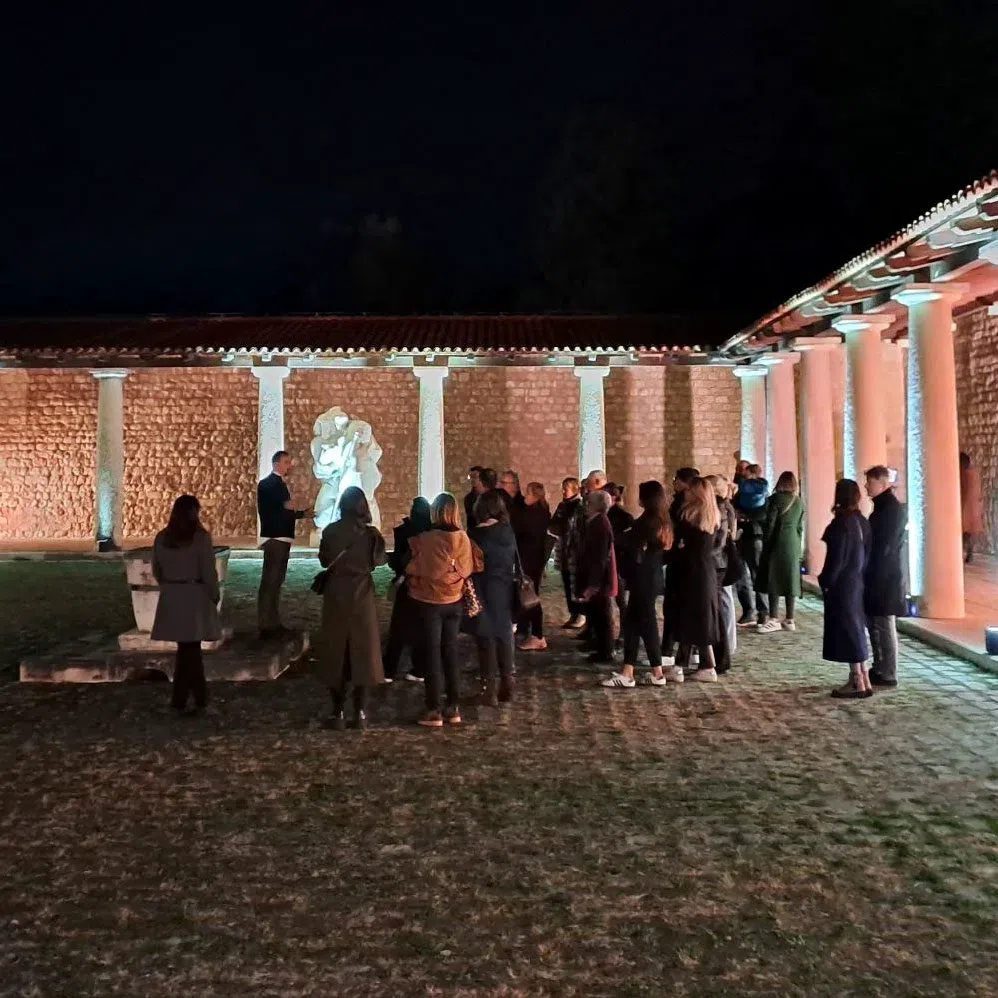
Directly below the gallery is the neighbourhood's swim. Ježinac Beach, at the foot of the Meštrović promenade in Meje, is a compact local beach with one bar — which, since the changes described below, is more than its bigger sibling can say — and jumping rocks for those who like them. Small groups are fine, though it gets tight in peak season, and it is free apart from a drink at that single bar. Include it for the low-key local flavour: this is where the neighbourhood cools off, not where the day-trippers land.
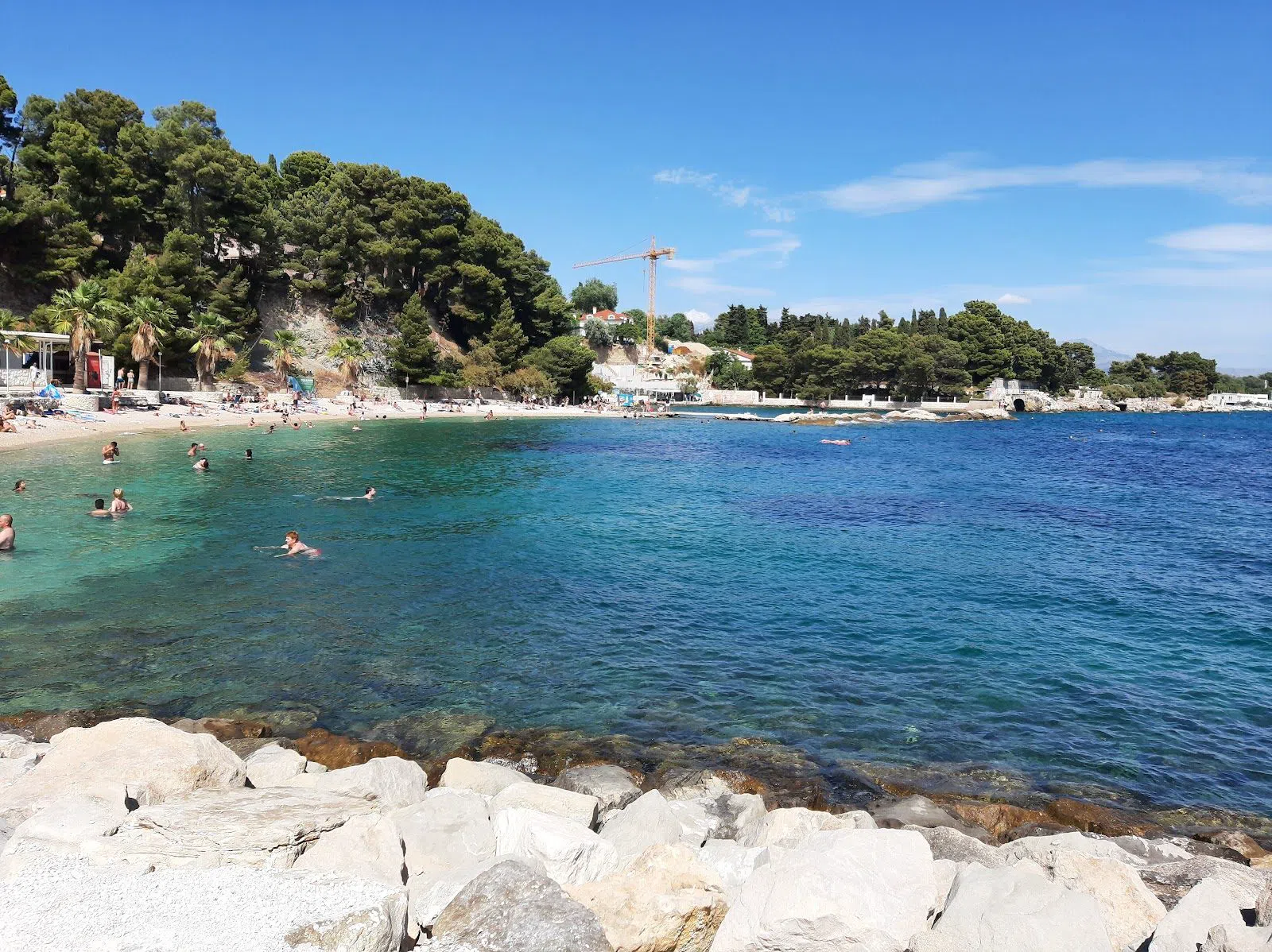
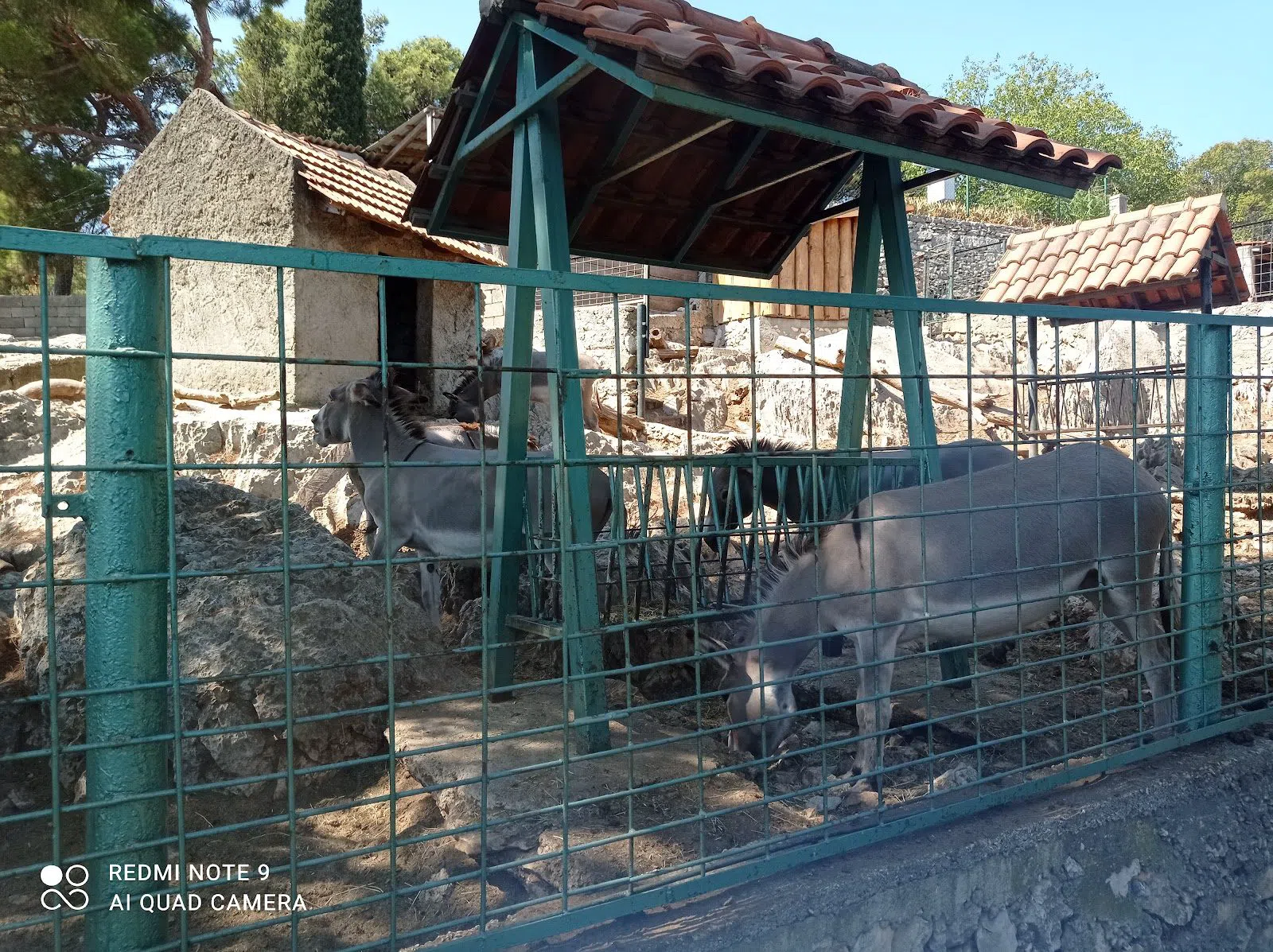
While you are on this side, families have a gentle option in the Natural History Museum & Zoo, Split, near the eastern foot of Marjan. Set expectations honestly: the old Marjan zoo no longer keeps wild animals. Since the reforms it shows only original Croatian farm breeds alongside the museum, so this is a mild, pleasant stop for children rather than a proper zoo. Entry is a few euros, the site is small, and school and family groups are welcome. Treat it as a twenty-minute curiosity, not a headline.
The best swim, and a green place to end
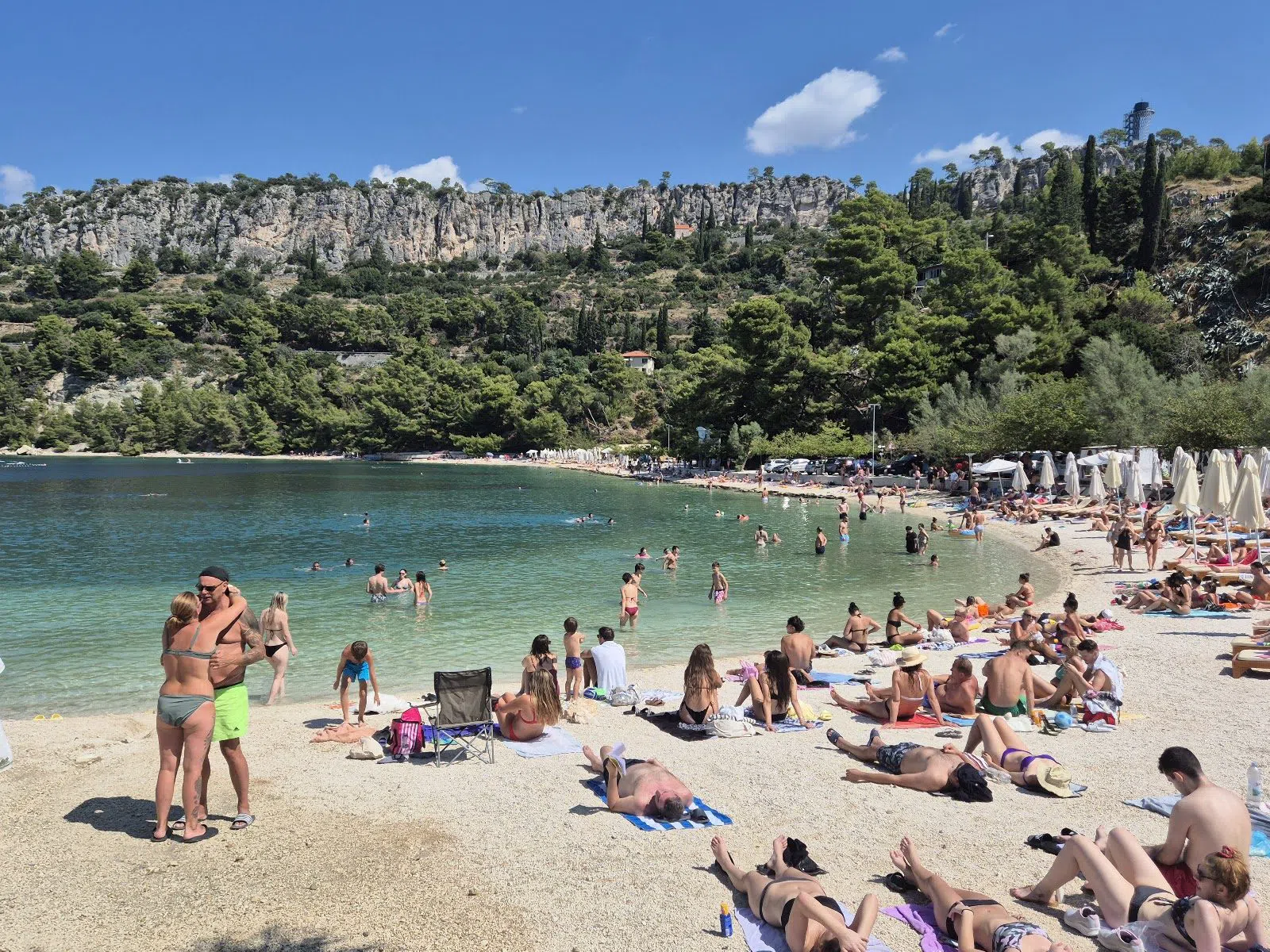
For the finest water on the peninsula, keep going to the south coast. Kašjuni Beach, on Marjan's southern shore, is a wide open beach shaded by the cliffs behind it, cleaner and far calmer than the busy sands closer to the centre, and it easily absorbs a group with no door policy of any kind. One change matters for 2026: the beach bars were removed this year, so there is nowhere to buy a drink or a snack on the sand. Bring your own water and food, take your rubbish out, and you will have one of the best swims in the city. Sunbed and parasol hire is available for a fee; everything else is free and, mercifully, quieter than it used to be.
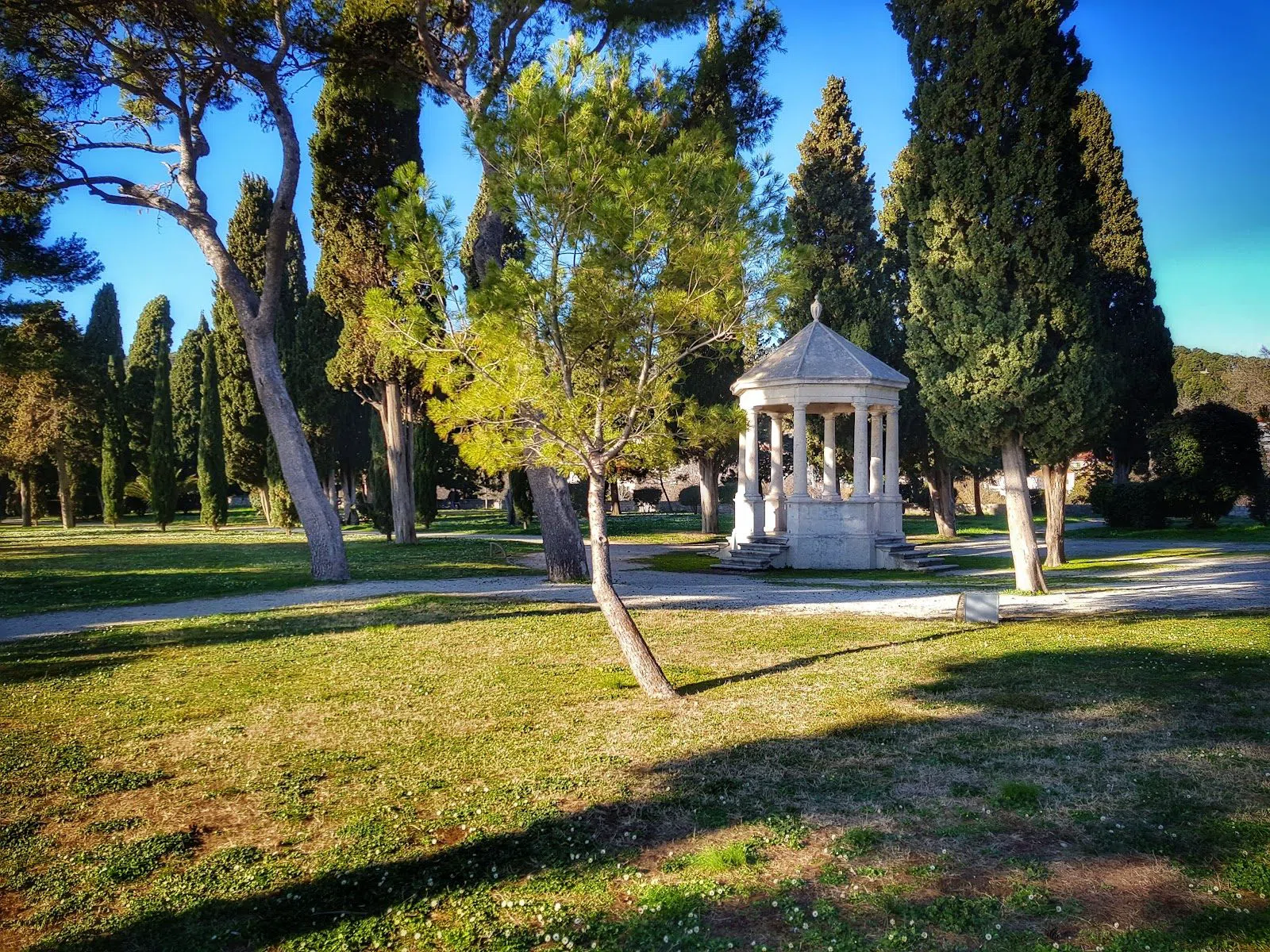
End, if you can time it for late afternoon, at the hill's gentlest counterpoint. Sustipan Park, on the headland by the marina at Marjan's eastern foot, is an always-open public park that few tourists find. It was a monastery, then a cemetery, and is now a calm lawn with a small rotunda and a wide sea view — ideal for a picnic, a group, or simply sitting after the climb. Where Telegrin is the peninsula's effort, Sustipan is its exhale. Between the two you have the whole character of Marjan: a hill that asks something of you and then, without fuss, gives more back.
Practical notes
Getting there. Everything here is walkable from the old town — the Marjan Steps trailhead in Veli Varoš is about ten minutes on foot from the Riva. The gallery, Kaštelet, Ježinac and Kašjuni string west along the coast road; a local bus runs part of that shore if you would rather not walk the whole way in the heat, but on foot you see more. The two ends of the peninsula — Vidilica in the east, Kašjuni in the south — are a solid walk apart, so pick a direction per half-day rather than trying to circle it all at once.
Timing. Climb early or late; the summit approach and the cliff paths are exposed, and midday in July and August is punishing. Sunset belongs to Vidilica and Sustipan. Spring and autumn are ideal for the full ridge walk.
Cash and tickets. Prices are in euros. The churches, trails, Vidilica viewpoint, both beaches and Sustipan are free (the cemetery welcomes a donation; beach sunbeds and parasols cost extra at Kašjuni). The Meštrović Gallery is €€, reduced by about half in 2026 with the interior galleries closed, and its ticket covers the Crikvine-Kaštilac. The Natural History Museum & Zoo is a few euros. Since Kašjuni's bars are gone for 2026, carry water and snacks; Vidilica and Ježinac are your only reliable refreshment stops on the hill.
Who it suits. Marjan works for almost everyone — runners, families, couples, and groups who turn up unplanned — provided you match the place to the party: the open terraces, beaches and parks take crowds happily, while the cliff-church interiors and the Jewish cemetery are small and ask for a lighter touch. Walk it the way the locals do, and you will understand why they keep the hill, and the hill keeps them sane.
Before you go
How do I get to Marjan from Split's old town?
It's about a ten-minute walk west of the Riva. The Marjan Steps (Marjanske skale) trailhead in the Veli Varoš quarter is the classic way up; the western coast venues — the Meštrović Gallery, Ježinac and Kašjuni beaches — string along the shore road and can be reached on foot or by a local bus that runs part of that route.
How long and hard is the climb to the Telegrin summit?
From the Vidilica viewpoint it's roughly 800 steps and a shaded pine path to the 178-metre summit at Telegrin. It's a free, open trail suitable for reasonably fit walkers, families with older children and runners. Go early in the day, as the final approach is exposed and midday summer heat is intense.
Is the Meštrović Gallery open in 2026?
Partly. In 2026 the interior galleries are closed for an energy renovation, but the sculpture garden, the villa's architecture and the grounds remain open at roughly half the usual price. The ticket also includes the nearby Crikvine-Kaštilac (Kaštelet), whose chapel holds Meštrović's wooden relief cycle — making it the essential half of the visit while the main halls are dark.
Which Marjan beach is best, and are there bars?
Kašjuni, on the southern shore, is the best swim — wide, cliff-shaded and calmer than the central beaches — but its beach bars were removed in 2026, so bring your own water and snacks (sunbed and parasol hire is available). Ježinac, below the Meštrović Gallery, is a smaller local beach that still has one bar and jumping rocks.
Can I visit the old Jewish cemetery on Marjan?
Yes. Founded in 1573, it's one of the oldest surviving Jewish cemeteries in the world and sits on Marjan's eastern slope below the Vidilica viewpoint. Entry is free with a donation welcome, but the gate is sometimes locked — the staff at the Teraca Vidilica café hold the key, so ask there. The space is small and suits quiet, small groups.